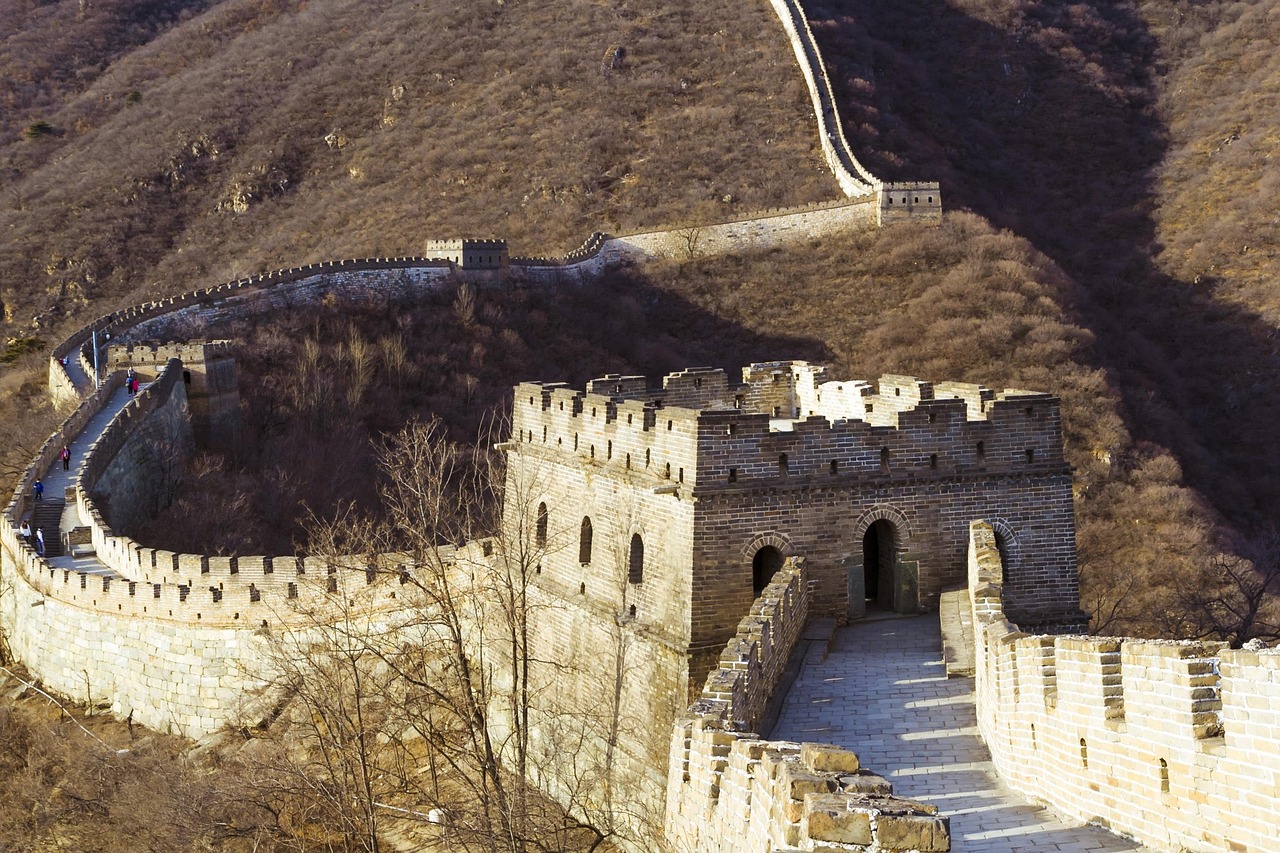
Great Wall Of China Travel Guide: Tips & Best Sections
Top Questions
Table of Contents
- Introduction: Why the Great Wall Should Be on Your Travel Bucket List
- Choosing Your Section: Which Part of the Great Wall Should You Visit?
- Getting There: Complete Transportation Guide from Beijing
- Best Time to Visit: Seasons, Weather And Crowd Analysis
- What to Pack: Your Essential Travel Checklist
- Money Matters: Costs And Budget Planning
- Insider Travel Tips: Beat the Crowds And Maximize Experience
- Accommodation: Where to Stay
- Common Mistakes to Avoid
- Beyond the Wall: Combine Your Visit
- Final Thoughts: Making Your Great Wall Visit Unforgettable
- Additional Resources And References
Introduction: Why the Great Wall Should Be on Your Travel Bucket List
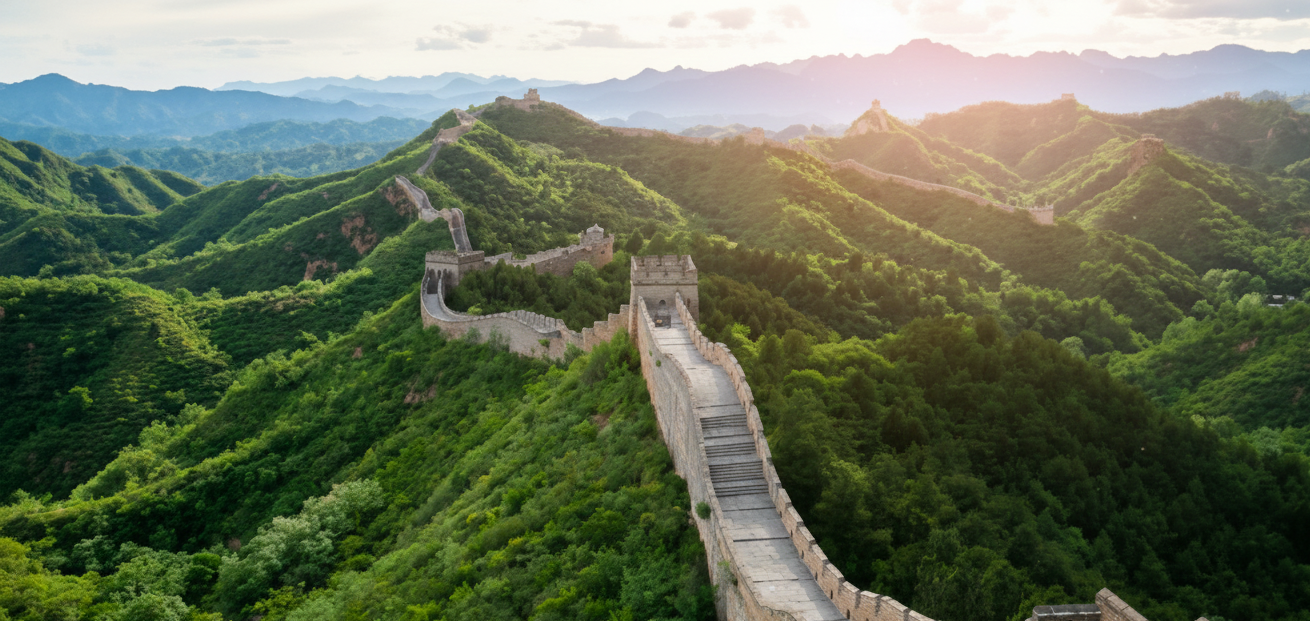
Imagine standing on a centuries-old stone wall that snakes across mountain peaks as far as your eyes can see. The Great Wall of China isn't just a monument—it's an experience that will leave you breathless. Spanning over 13,000 miles through diverse landscapes, this UNESCO World Heritage Site attracts millions of travelers each year, and for good reason.
But here's the reality: most tourists make critical mistakes that turn their Great Wall visit into a frustrating, crowded, and underwhelming experience. Choosing the wrong section, visiting at the wrong time, or not preparing properly can ruin what should be the highlight of your China trip.
This comprehensive travel guide cuts through the confusion. Whether you're a budget backpacker, a luxury traveler, or a family with kids, I'll show you exactly how to plan your Great Wall visit for maximum enjoyment and minimum hassle. From selecting the perfect section to avoiding tourist traps, packing essentials to transportation hacks—everything you need is right here.
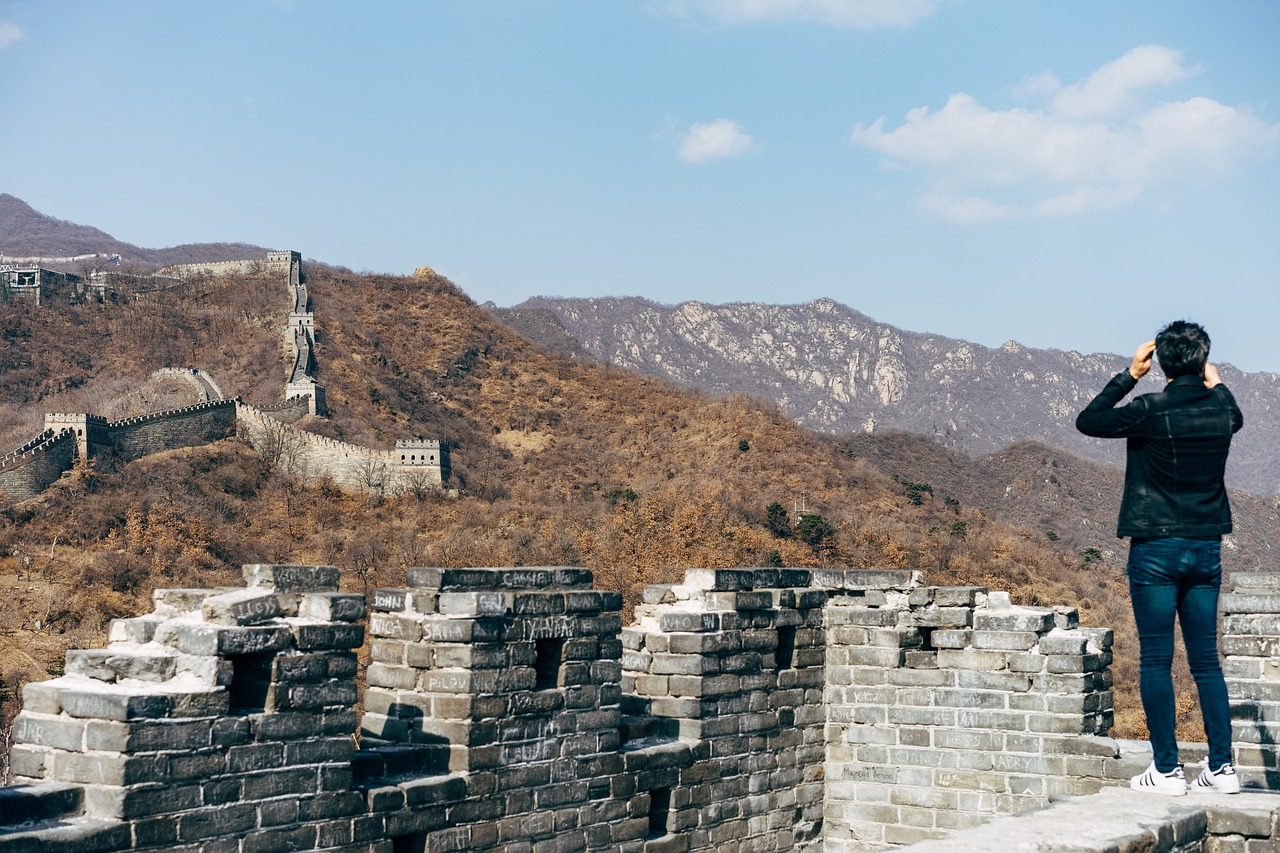
Choosing Your Section: Which Part of the Great Wall Should You Visit?
This is the most important decision you'll make. The Great Wall has multiple accessible sections near Beijing, and each offers a completely different experience. Choose wrong, and you'll fight crowds in a tourist trap. Choose right, and you'll have an unforgettable adventure.
Mutianyu: The Best Choice for Most Travelers
Distance from Beijing: 73 km (1.5-2 hours)
Travel Difficulty: Moderate
Crowd Level: Medium
Best For: First-time visitors who want quality without extreme crowds
If you're only visiting one section, make it Mutianyu. This is my top recommendation for 90% of travelers because it perfectly balances accessibility, scenery, and authentic experience.
Why Mutianyu Wins:
The scenery here is absolutely stunning. The wall winds through lush green mountains, offering dramatic photo opportunities at every turn. You'll walk along 22 restored watchtowers spanning 2.5 kilometers, each providing different perspectives of the surrounding landscape. Unlike heavily commercialized sections, Mutianyu maintains its historic character while providing modern amenities.
The real game-changer? The toboggan slide. After hiking the wall, you can ride a thrilling metal slide down the mountain—it's fun, unique, and surprisingly popular with both kids and adults. This experience alone makes Mutianyu worth visiting.
Transportation Options:
Bus 916 from Dongzhimen to Huairou, then transfer to H23/H24 to Mutianyu (¥25 total, 2 hours). Alternatively, book a private car through DiDi or your hotel (¥600-800 round trip). Tour buses from Beijing cost ¥200-300 and include entrance fees.
Cost Breakdown:
Entrance: ¥45 ($6.30)
Round-trip cable car: ¥120 ($17)
Toboggan slide: ¥100 ($14)
Total: ¥265 ($37)
Best Time to Visit: Weekday mornings between 9:00-11:00 AM. Arrive right when it opens (7:30 AM) for the best experience with minimal crowds.
Badaling: For Quick, Easy Access (But Expect Crowds)
Distance from Beijing: 70 km (1.5 hours)
Travel Difficulty: Easy
Crowd Level: Very High
Best For: Travelers with limited time or mobility issues
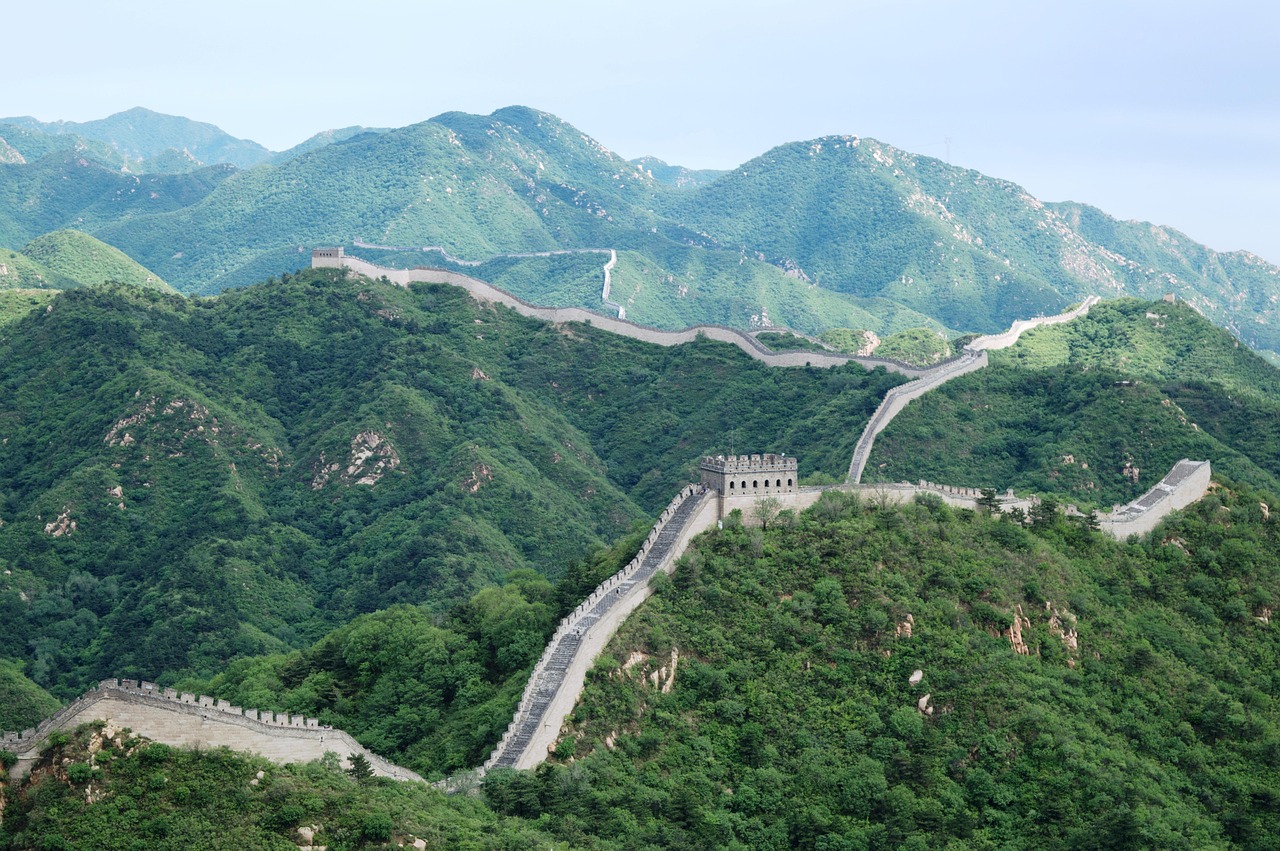
Badaling is the most famous section—and that's both good and bad. It's perfectly restored, easily accessible, and offers facilities for everyone. However, it's also packed with tourists, especially during peak season.
When Badaling Makes Sense:
Choose Badaling if you have limited time (half-day trip possible), traveling with elderly family members or young children, need wheelchair accessibility, or visiting during winter when other sections may be closed.
The Crowd Reality:
On Chinese holidays and weekends, Badaling becomes shoulder-to-shoulder tourists. I'm not exaggerating—you'll literally be shuffling forward in a human traffic jam. However, if you visit on weekday mornings (7:00-9:00 AM), the experience improves dramatically.
Transportation (The Easy Way):
S2 Train from Beijing North Railway Station to Badaling (¥6, 1 hour). This scenic train ride through mountains is part of the experience. Book tickets through 12306.cn app or arrive early to buy at the station. Alternatively, take bus 877 from Deshengmen (¥12, 1.5 hours).
Cost Breakdown:
Entrance: ¥40 ($5.60) peak season / ¥35 off-season
Cable car (optional): ¥140 ($20) round trip
Train: ¥6 ($0.85)
Total minimum: ¥46 ($6.50)
Crowd-Beating Strategy: Turn LEFT after entering instead of right where 90% of tourists go. The left side offers equally impressive views with fewer people.
Jinshanling: For Hikers and Photography Enthusiasts
Distance from Beijing: 130 km (2.5 hours)
Travel Difficulty: Challenging
Crowd Level: Low
Best For: Adventure seekers, photographers, experienced hikers
Jinshanling is where the Great Wall shows its wild side. This section features a mix of restored and original crumbling sections, offering an authentic glimpse into the wall's ancient character. If you want photos without tourists in every frame, this is your spot.
What Makes It Special:
You'll often have entire sections to yourself. The partially ruined watchtowers, wild vegetation growing through cracks, and dramatic mountain scenery create photographer's paradise. The wall here shows its age—weathered bricks, steep uneven steps, and sections where nature is slowly reclaiming the structure.
The famous Jinshanling to Simatai hike (10 km, 4-5 hours) is considered one of the best Great Wall treks. You'll traverse various terrain types, from steep climbs to gentle ridges, passing through both restored and wild sections.
Transportation Challenge:
No direct public transport. Options include:
Organized hiking tours (¥400-600 including transport and guide)
Private car hire (¥800-1,000 round trip)
Tourist bus from Beijing (departs early morning, returns evening)
What to Bring:
Hiking boots (essential—steps are uneven and steep)
2 liters of water per person
Energy snacks (limited food options)
First aid kit
Trekking poles for steep sections
Cost Breakdown:
Entrance: ¥65 ($9)
Private transport: ¥800-1,000 ($112-140) split among group
Guide (optional): ¥300-400 ($42-56)
Physical Requirements: Good fitness level required. Expect steep climbs, uneven footing, and 4-5 hours of continuous hiking.

Simatai: The Only Night-Illuminated Section
Distance from Beijing: 120 km (2.5 hours)
Travel Difficulty: Challenging
Crowd Level: Medium
Best For: Unique night experience, romantic couples, adventure travelers
Simatai offers something no other section does—illuminated night walks. Watching the Great Wall light up against the dark mountain silhouettes is genuinely magical and creates unforgettable memories.
The Night Walk Experience:
Starting at sunset, you'll hike up as the wall gradually illuminates. Lanterns and spotlights highlight the watchtowers and wall curves, creating an almost ethereal atmosphere. The experience feels intimate and special, far removed from daytime tourist crowds.
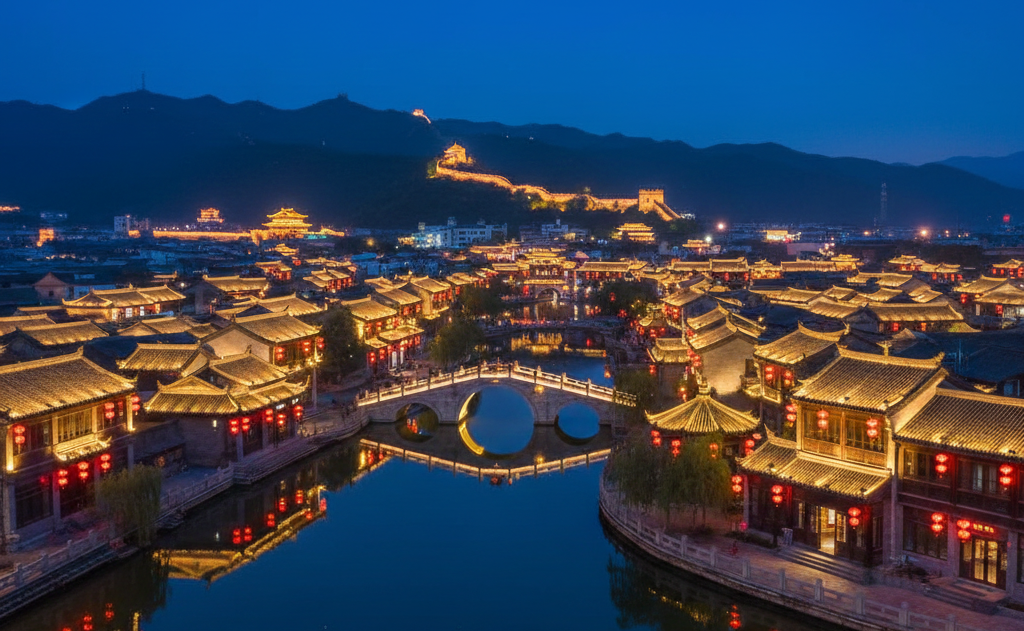
Combined with Gubei Water Town:
Simatai ticket includes access to Gubei Water Town, a reconstructed Ming Dynasty village at the mountain base. While touristy, it's beautifully done with canals, traditional architecture, and evening performances. Plan to spend 2-3 hours exploring both.
Transportation:
Direct tourist buses from Beijing (¥120 round trip) or private car (¥800-1,000). The journey takes 2-2.5 hours through mountain roads.
Important Booking Information:
Night visits require advance booking (1-2 days minimum). Purchase tickets through official Gubei Water Town website or authorized platforms like Trip.com. Walk-in tickets often sell out.
Cost Breakdown:
Day entrance: ¥40 ($5.60)
Night entrance: ¥80 ($11.20)
Gubei Water Town: ¥150 ($21)
Cable car: ¥90 ($13) one way
Combined package: ¥280-320 ($39-45)
Night Timing: Illumination runs from sunset until 9:30 PM (summer) or 9:00 PM (winter). Arrive before sunset to experience the transition.
Jiankou: For Serious Adventurers Only
Distance from Beijing: 90 km (2.5 hours)
Travel Difficulty: EXTREME
Crowd Level: Very Low
Best For: Experienced hikers with proper equipment
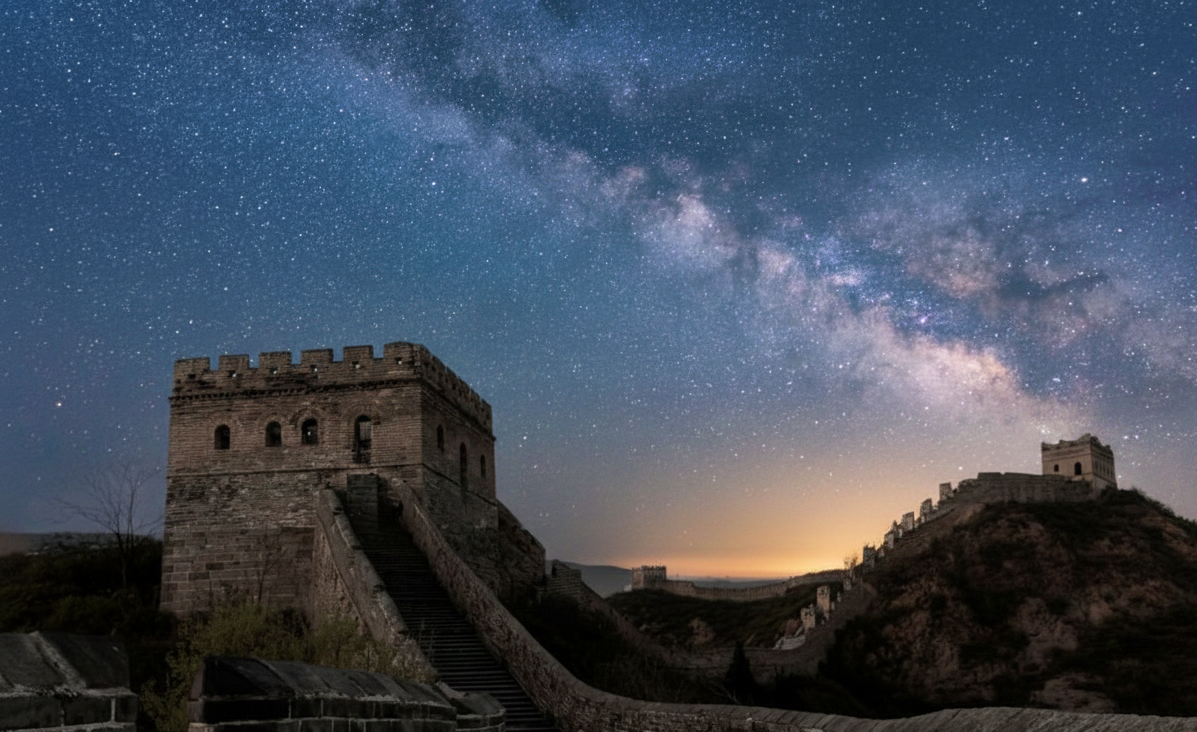
WARNING: Jiankou is wild, unrestored, and genuinely dangerous. It's not officially open to tourists. I'm including it because adventurous travelers still visit, but understand the risks.
This section features the famous "Sky Stairs" and dramatic mountain ridges you've seen in professional Great Wall photography. It's breathtakingly beautiful but hazardous—crumbling steps, missing guard rails, steep drops, and no facilities.
Only Consider If:
You're an experienced hiker
Traveling with knowledgeable guide
Have proper hiking equipment
Weather is good (avoid rain, ice, snow)
Understand and accept risks
Cost: ¥50-80 entrance (paid to local farmers who control access) + ¥800-1,200 for experienced guide (non-negotiable—don't attempt solo).
Getting There: Complete Transportation Guide from Beijing
Option 1: Public Transportation (Budget-Friendly)
To Mutianyu:
Take subway to Dongzhimen Station
Board bus 916 Express to Huairou Bus Station (¥12, 1 hour)
Transfer to H23 or H24 to Mutianyu (¥13, 30 minutes)
Total cost: ¥25 ($3.50), Total time: 2 hours
To Badaling:
S2 Train from Beijing North Railway Station (¥6, 1 hour) - Most scenic option
Bus 877 from Deshengmen (¥12, 1.5 hours)
Pro Tips:
Download Baidu Maps or Maps.me for offline navigation
Buy subway card (¥20 deposit + credit) for easier travel
Keep small change for buses (exact fare required)
Download translation app—most bus drivers don't speak English
Option 2: Private Car/Taxi (Comfortable & Flexible)
Hiring private transport costs more but offers significant advantages: flexible timing, door-to-door service, stops at photo spots, no language barriers with English-speaking drivers.
Booking Options:
DiDi app (Chinese Uber): ¥600-800 round trip to Mutianyu
Hotel concierge: ¥800-1,000 (more reliable, English-speaking drivers)
Tour platforms (Klook, Viator): ¥700-900 including entrance tickets
Cost Sharing: Split costs with fellow travelers. Hotel lounges and hostel common areas are great for finding trip partners.
Negotiation Tips:
Agree on total price before departure
Confirm waiting time included (usually 3-4 hours)
Get driver's contact number
Clarify no shopping stops
Option 3: Organized Tours (Hassle-Free)
Tours handle everything—transportation, tickets, guide, often lunch. Prices range ¥200-800 ($28-112) depending on quality and group size.
Budget Tours (¥200-300):
Large groups (30+ people)
Often include unwanted stops (jade factory, tea ceremony)
Rushed schedule
Basic lunch included
Quality Tours (¥500-800):
Small groups (8-15 people)
English-speaking guides
No shopping stops
Better lunch options
More time at the wall
Recommended Booking Platforms:
Viator
GetYourGuide
Klook
China Highlights
Red Flags to Avoid:
Tours significantly cheaper than others (hidden shopping stops)
No clear itinerary
Pressure to book immediately
Unlicensed street agents
Best Time to Visit: Seasons, Weather And Crowd Analysis
Spring (April - May): Peak Perfection
Why Visit: This is objectively the best time. Weather is perfect (15-25°C / 59-77°F), skies are clear, flowers bloom, and mountain scenery comes alive with fresh greenery.
Crowd Level: High but manageable on weekdays.
What to Wear: Light layers—T-shirt with light jacket. Mornings can be cool (10°C), afternoons warm (22-25°C).
Photography: Excellent visibility with clear skies. Golden hour lighting is spectacular.
Booking: Reserve hotels and tours 2-3 weeks advance.
Summer (June - August): Hot but Extended Hours
Why Visit: Extended opening hours, lush green landscapes, and warm weather perfect for evening visits.
Challenges: Hot and humid (30-35°C / 86-95°F), afternoon thunderstorms, peak Chinese tourist season (especially July-August).
Crowd Level: Very High, especially weekends.
What to Bring: Sunscreen SPF 50+, wide-brimmed hat, 2+ liters water, light breathable clothing.
Money-Saving Tip: Visit during weekday mornings when tour groups haven't arrived yet.
Autumn (September - October): The Instagram Season
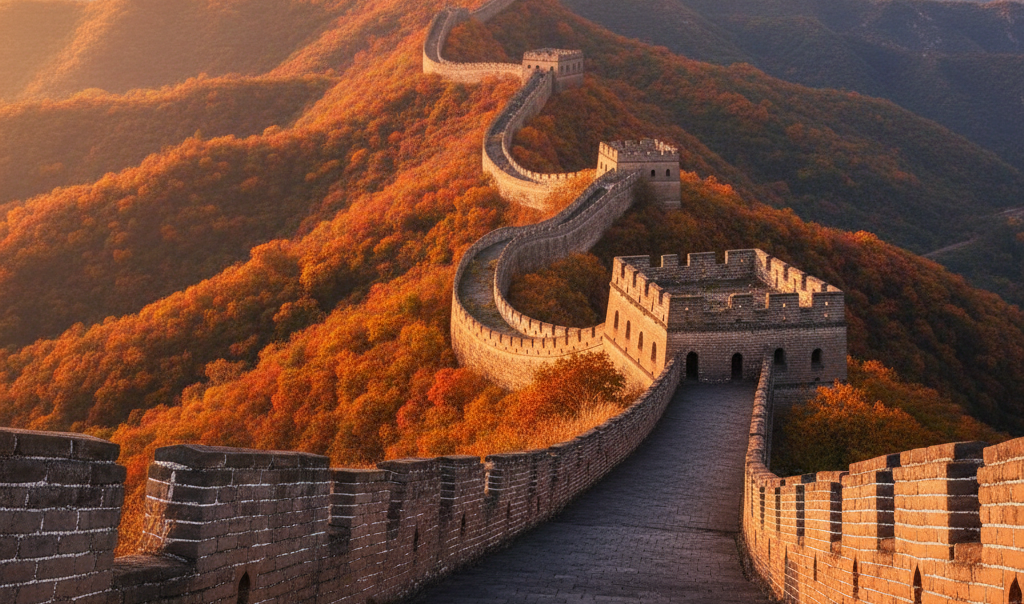
Why Visit: This is magazine-cover season. Fall foliage transforms mountains into red, orange, and gold panoramas. Weather is comfortable (15-22°C / 59-72°F) with low humidity.
Peak Period: October 1-7 (Chinese Golden Week) brings overwhelming crowds—AVOID these dates.
Crowd Level: High overall, extreme during Golden Week.
Photography: Absolutely stunning. The color contrast between ancient stone wall and autumn foliage creates award-winning shots.
Booking: Reserve everything 1 month advance, 2 months for Golden Week period (if you must visit then).
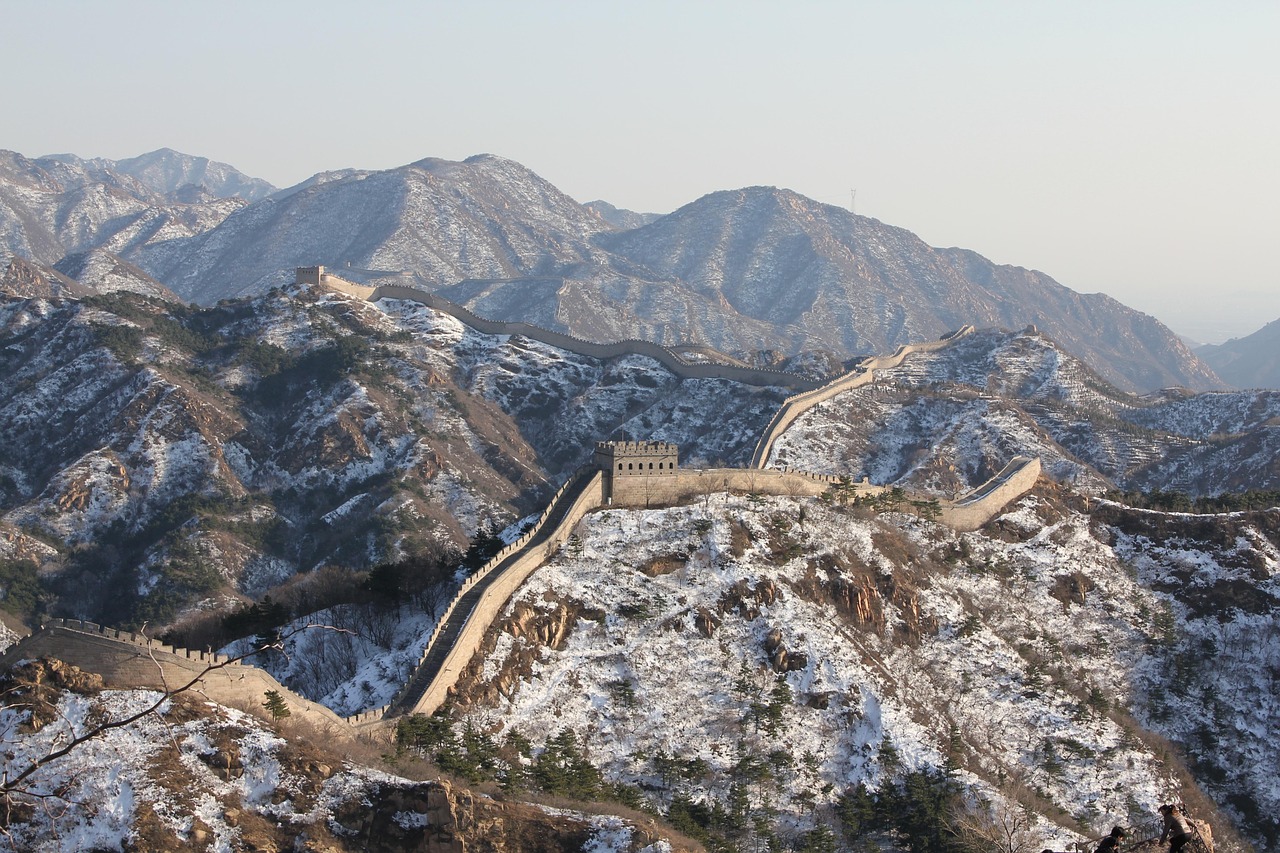
Winter (November - March): The Hidden Gem
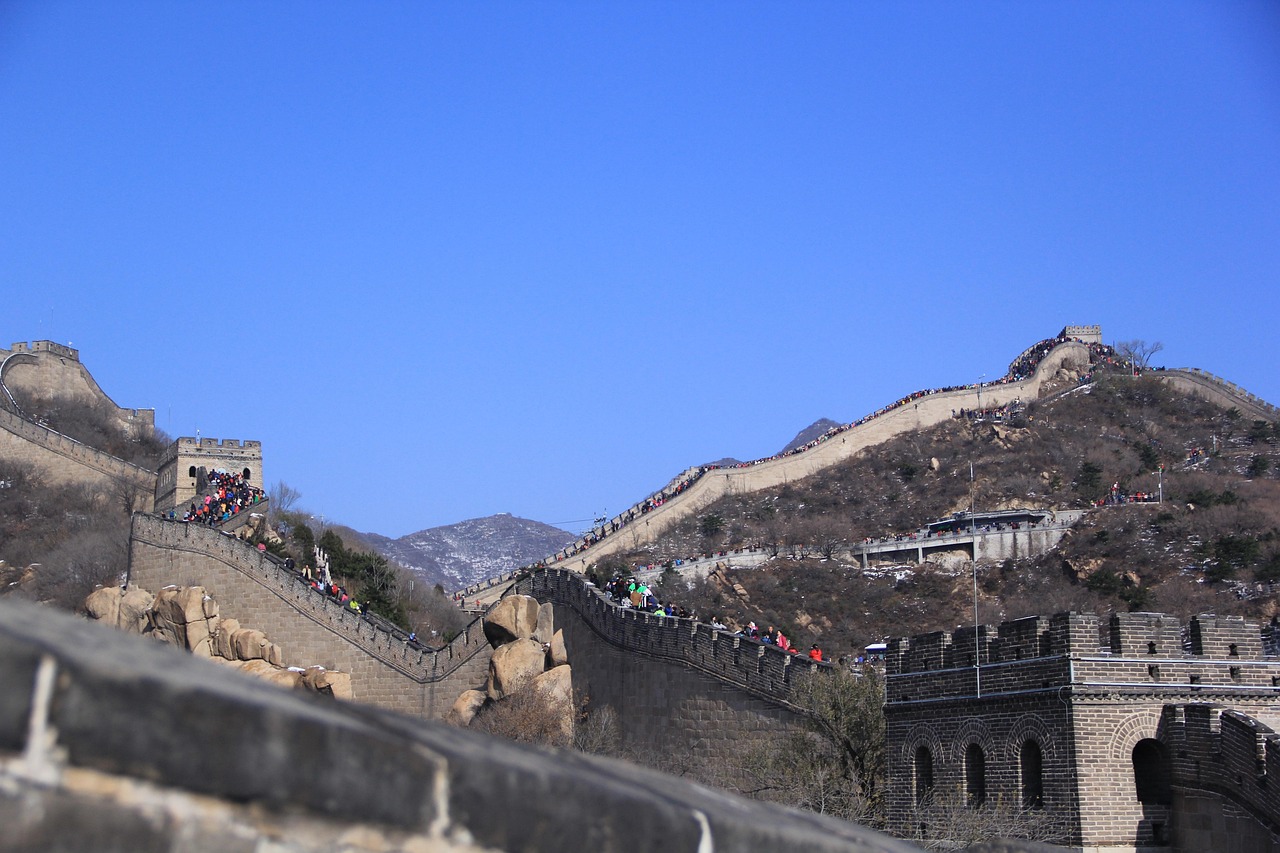
Why Visit: Virtually no crowds, snow-covered wall creates fairytale scenery, incredibly low prices on hotels and tours.
Challenges: Cold (often -10°C / 14°F), some sections closed or limited hours, shorter daylight, icy steps dangerous.
Crowd Level: Very Low—you might have sections to yourself!
What to Wear:
Thermal base layers
Insulated jacket
Gloves and warm hat
Waterproof boots with good grip
Hand warmers
Photography: Snow-covered Great Wall against gray skies is hauntingly beautiful. Unique shots impossible in other seasons.
Money-Saving: Hotels offer 30-50% winter discounts. Tours negotiate easier.
Safety Note: Check section opening status before traveling. Badaling and Mutianyu usually stay open, but remote sections often close.
Dates to Absolutely Avoid
Chinese New Year (Late January/February): Everything shuts down. Hotels triple prices, transportation is chaotic, many attractions closed.
Golden Week (October 1-7): The worst possible time. We're talking 100,000+ daily visitors at popular sections. You'll spend more time in queues than on the wall.
Summer Weekends (July-August): Packed with domestic tourists. If you must visit summer, choose weekday mornings.
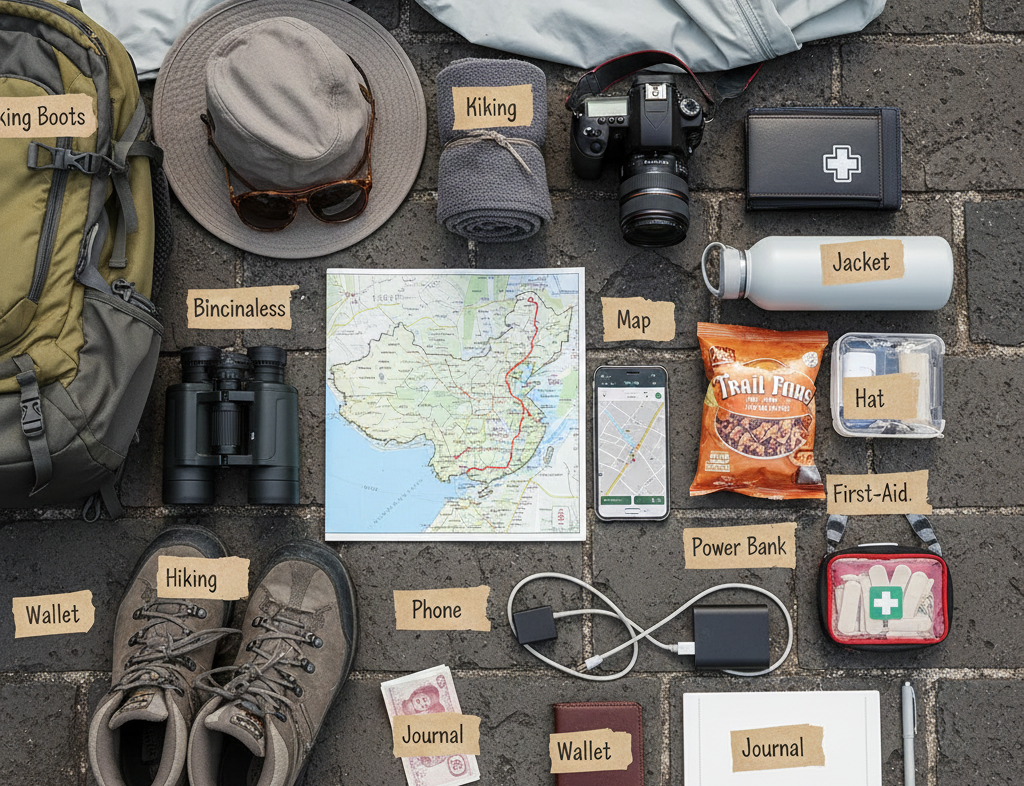
What to Pack: Your Essential Travel Checklist
Footwear: The Most Important Item
Wear: Comfortable hiking shoes or trail running shoes with good grip. The wall's steps are steep (some at 60-degree angles), uneven, and worn smooth by millions of feet. Proper footwear prevents twisted ankles—I've seen countless tourists struggling in inappropriate shoes.
DON'T Wear: Flip-flops, sandals, high heels, dress shoes, or brand new shoes (blisters guaranteed).
Hydration & Snacks
Water: Bring minimum 1.5-2 liters per person. Yes, vendors sell drinks, but at inflated prices (¥10-15 / $1.40-2 for small bottle vs. ¥3 / $0.40 at convenience stores).
Snacks: Pack energy bars, trail mix, fruit, or sandwiches. Restaurant food at major sections is overpriced and mediocre. Remote sections have minimal options.
Pro Tip: Freeze water bottles overnight—they'll melt gradually, keeping drinks cold for hours.
Weather Protection
Sun Protection:
Sunscreen SPF 50+ (UV rays stronger at elevation)
Wide-brimmed hat or cap
Sunglasses
Light long-sleeve shirt (protects skin better than sunscreen)
Rain Gear:
Compact umbrella
Waterproof jacket
Waterproof phone case
Plastic bags for electronics
Cold Weather (Winter):
Thermal layers (merino wool ideal)
Insulated jacket
Gloves (touchscreen-compatible)
Warm hat covering ears
Hand/toe warmers
Thermos with hot tea
Technology & Photography
Phone Essentials:
Portable charger (10,000+ mAh capacity)
Phone holder/mount for hands-free photos
Offline maps downloaded (Baidu Maps, Maps.me)
Translation app (Google Translate, Baidu Translate)
Camera Gear (Optional):
Camera with extra batteries (cold drains batteries fast)
Wide-angle lens for landscape shots
Lens cleaning cloth (gets dusty)
Small tripod for group photos
Camera strap (don't risk drops on steep sections)
Drone Warning: Drone flying is restricted/banned at most sections. Penalties are severe (¥5,000+ / $700+ fines plus confiscation). Always check current regulations.
First Aid & Comfort
Mini First Aid Kit:
Blister bandages (shoes + steep stairs = blisters)
Pain relievers (ibuprofen for sore muscles)
Antiseptic wipes
Small bandages
Personal medications
Comfort Items:
Small towel (you'll sweat)
Wet wipes
Tissues (public toilets often lack toilet paper)
Small backpack (hands-free hiking essential)
Trekking poles (helpful for steep sections, especially downhill)
What NOT to Bring
Large backpacks (unnecessary weight)
Valuable jewelry
Important documents (leave passport at hotel safe)
Too much cash (¥300-500 sufficient for day trip)
Heavy camera equipment if not serious photographer
Money Matters: Costs And Budget Planning
Entrance Fees (2025 Prices)
Section | Peak Season | Off-Season | Cable Car |
|---|---|---|---|
Badaling | ¥40 ($5.60) | ¥35 ($4.90) | ¥140 ($20) |
Mutianyu | ¥45 ($6.30) | ¥40 ($5.60) | ¥120 ($17) |
Jinshanling | ¥65 ($9) | ¥55 ($7.70) | Not available |
Simatai Day | ¥40 ($5.60) | ¥35 ($4.90) | ¥90 ($13) |
Simatai Night | ¥80 ($11.20) | ¥80 ($11.20) | ¥90 ($13) |
Student Discounts: 50% off with valid international student ID card at ticket counter.
Sample Budget Breakdown
Budget Traveler (Per Person):
Public transport: ¥25 ($3.50)
Entrance (Mutianyu): ¥45 ($6.30)
Cable car (optional): ¥120 ($17)
Packed lunch: ¥20 ($2.80)
Snacks/drinks: ¥30 ($4.20)
Total: ¥240 ($34) without cable car
Total: ¥360 ($50) with cable car
Mid-Range Traveler (Per Person):
Private car (split 4 ways): ¥200 ($28)
Entrance (Mutianyu): ¥45 ($6.30)
Cable car + toboggan: ¥220 ($31)
Lunch at restaurant: ¥80 ($11)
Snacks/drinks: ¥40 ($5.60)
Souvenirs: ¥100 ($14)
Total: ¥685 ($96)
Luxury Traveler (Per Person):
Private car with English driver: ¥1,000 ($140)
Entrance (Simatai night): ¥80 ($11.20)
Gubei Water Town: ¥150 ($21)
Private guide: ¥400 ($56)
Premium lunch/dinner: ¥200 ($28)
Cable car: ¥90 ($13)
Total: ¥1,920 ($269)
Money-Saving Hacks
Buy Tickets Online: Official websites and platforms like Trip.com offer 5-10% discounts compared to gate prices.
Skip the Cable Car: If reasonably fit, hike both ways. Save ¥120-140 and enjoy the journey. The climb takes 40-60 minutes—good exercise and photo opportunities.
Bring Your Own Food: Restaurant meals at tourist sites cost ¥60-100 per person for average quality. Pack lunch and save ¥80-150 for your group.
Visit Off-Season: November-March prices drop 20-30% on hotels and tours. Entrance fees also reduced.
Share Transportation: Find travel partners at your hostel/hotel. Splitting private car costs makes it cheaper than tours.
Avoid Souvenirs at the Wall: Same items cost 2-3x more than Beijing markets. Shop at Panjiayuan Market or Wangfujing Street instead.
Payment Methods
Cash (RMB): Essential for small vendors, buses, and remote sections. Carry ¥300-500 for day trip.
Mobile Payment: Major sections accept WeChat Pay and Alipay. However, foreigners need Chinese bank account to set up—mostly not practical for tourists.
Credit Cards: Limited acceptance. Bring cash as backup.
ATMs: Available at Badaling and Mutianyu. Limited at remote sections—withdraw cash in Beijing beforehand.
Insider Travel Tips: Beat the Crowds And Maximize Experience
The "Turn Left" Strategy
At Badaling and Mutianyu, 90% of tourists instinctively turn right after entering. Here's your secret weapon: turn LEFT instead. You'll find:
Significantly fewer tourists
Equally impressive (often better) views
Better photo opportunities without crowds
More peaceful hiking experience
This simple trick transforms your visit from frustrating to fantastic.
Timing is Everything
Absolute Best Times:
Weekday mornings 7:30-9:00 AM (tour buses arrive after 9:30 AM)
Lunch time 11:30 AM-1:30 PM (tour groups break for lunch)
Late afternoon 4:00-5:30 PM (day-trippers leaving, sunset lighting)
Worst Times:
Weekends (especially Sunday)
10:00 AM-2:00 PM (peak tour group hours)
Chinese holidays (avoid at all costs)
Hire a Local Guide (Worth It!)
Why Consider a Guide:
Navigate transportation and tickets hassle-free
Learn fascinating historical stories
Get insider knowledge on best photo spots
Avoid tourist traps and scams
Help with language barriers
Cost: ¥300-500 ($42-70) for half-day personal guide. Split among group makes it very affordable.
Where to Book:
GetYourGuide
Viator
China Highlights
Hotel concierge
What to Look For:
English language proficiency
Licensed guide credentials
Good reviews (read carefully)
Clearly stated itinerary
No forced shopping stops
Photography Secrets
Best Shots:
Shoot from watchtowers (elevated perspective)
Use wall curves as leading lines
Include people for scale
Wait for clouds (adds drama)
Shoot during golden hour (1 hour after sunrise, 1 hour before sunset)
Unique Angles:
Low angle looking up at wall
Through watchtower windows/doors (frame within frame)
During weather changes (mist, fog, breaking clouds)
With autumn colors or snow (seasonal advantage)
Instagram Tips:
Wide-angle shots emphasizing wall's endless length
Silhouettes during sunset
Close-ups of ancient brickwork texture
Action shots walking/climbing
Use portrait mode for striking depth
Safety First
Watch Your Step: This isn't a casual stroll. Steps vary wildly in height (15-40 cm), width, and condition. Some sections are genuinely steep—almost vertical. Take your time, use handrails, and watch where you plant your feet.
Hydration & Altitude: The combination of physical exertion, sun exposure, and altitude (300-600 meters) causes dehydration quickly. Drink regularly before feeling thirsty. Signs of dehydration: headache, dizziness, fatigue.
Know Your Limits: There's no shame in turning back or taking cable car. Some tourists overestimate their fitness and end up exhausted or injured. Listen to your body.
Emergency Contacts:
Emergency: 110 (Police), 120 (Ambulance)
Tourist Hotline: 12301 (English available)
Save your hotel's contact info
Weather Watch: Mountain weather changes rapidly. Morning sunshine can become afternoon thunderstorms within hours. Check forecasts and be prepared to cut visit short if weather deteriorates.
Food Strategy
Restaurant Reality: Tourist restaurants at major sections are overpriced (¥60-100 per person) with mediocre quality and small portions. They know they have captive audience.
Better Options:
Bring Packed Lunch: Prepare sandwiches, fruits, nuts, energy bars. Most convenient and economical.
Eat at Nearby Villages: Walk 10-15 minutes outside main tourist area to find family-run restaurants with authentic food at fair prices (¥30-50 per person). Ask locals for recommendations.
Try Local Specialties:
Rainbow trout (Mutianyu area): ¥40-80 for whole fish
Hand-pulled noodles (拉面): ¥20-35
Dumplings (饺子): ¥25-40
Mountain mushroom dishes: ¥30-50
Food Allergies: Carry allergy cards in Chinese characters. Show waiters clearly. Common phrases:
I'm vegetarian: 我吃素 (Wǒ chī sù)
No peanuts: 不要花生 (Bùyào huāshēng)
Gluten allergy: 麸质过敏 (Fūzhì guòmǐn)
Cultural Etiquette
Respect the Monument:
Don't carve names or graffiti (it's illegal and disrespectful)
Don't litter (carry trash bag)
Don't sit on fragile sections
Don't remove stones as souvenirs
Photography Etiquette:
Ask permission before photographing locals closely
Don't block narrow passages for extended photo sessions
Be patient when others taking photos at popular spots
Basic Chinese Phrases:
Hello: 你好 (Nǐ hǎo)
Thank you: 谢谢 (Xièxiè)
How much?: 多少钱? (Duōshǎo qián?)
Too expensive: 太贵了 (Tài guì le)
No thank you: 不用了 (Bùyòng le)
Bathroom: 厕所在哪里? (Cèsuǒ zài nǎlǐ?)
Bargaining at Souvenir Shops: Start at 40-50% of asking price. Negotiate cheerfully. If not satisfied, walk away—they'll often call you back with better price.
Accommodation: Where to Stay
Base Yourself in Beijing (Most Popular Option)
Advantages:
More hotel choices all budgets
Access to other attractions
Better restaurants and nightlife
Reliable transportation
Recommended Areas:
Dongcheng District (Best Location): Near Forbidden City, Tiananmen Square. Easy subway access to Great Wall transportation.
Budget: Leo Hostel (¥80-150 / $11-21)
Mid-range: Hotel Kapok (¥400-600 / $56-84)
Luxury: The Peninsula Beijing (¥2,000+ / $280+)
Chaoyang District (Modern & International): CBD area with international hotels, expat restaurants, nightlife.
Mid-range: Holiday Inn Express (¥350-500 / $49-70)
Luxury: China World Summit Wing (¥1,500+ / $210+)
Stay Near the Great Wall (For Sunrise Visits)
Mutianyu Area:
Brickyard Retreat: Eco-luxury resort with stunning mountain and wall views. Farm-to-table restaurant, minimalist design. (¥1,200-2,000 / $170-280 per night)
Mutianyu Great Wall Boutique Hotel: Mid-range option with Chinese traditional design, good restaurant. (¥500-800 / $70-112 per night)
Local Guesthouses: Simple rooms run by local families. Basic but clean, authentic experience. (¥150-300 / $21-42 per night). Book through Airbnb or contact hotels directly.
Simatai/Gubei Water Town:
Gubei Water Town Hotels: Traditional architecture with modern amenities inside reconstructed Ming buildings. (¥600-1,500 / $84-210 per night)
Advantages of Wall-Area Accommodation:
Catch sunrise on the wall (magical experience)
Avoid early morning rush from Beijing
Experience rural Chinese village life
Often includes breakfast
Quieter, more relaxed atmosphere
Booking Tips:
Book 2-3 weeks advance for peak season
Read recent reviews carefully
Confirm English communication if needed
Ask about Great Wall transportation arrangements
Check cancellation policy
Common Mistakes to Avoid
Wrong Footwear (The #1 Problem)
I cannot stress this enough—wearing inappropriate shoes ruins more Great Wall visits than anything else. Every day, tourists struggle up steep steps in flip-flops, dress shoes, or high heels. Some give up halfway. Others risk injury.
The Reality: You're climbing ancient stairs that vary wildly in height and depth, worn smooth by millions of feet, sometimes at 60-degree angles. Proper hiking shoes aren't being overly cautious—they're essential.
Underestimating Physical Demands
The Great Wall looks easy in photos. It's not. Even restored sections involve serious climbing. Expect:
Steps much taller than normal stairs (up to 40 cm vs. standard 20 cm)
Steep inclines that challenge even fit people
Uneven, worn surfaces
2-4 hours continuous walking/climbing
Solution: Choose sections matching your fitness level. Start with easier parts. Take breaks. Don't let pride push you beyond comfortable limits.
Visiting During Chinese Holidays
Golden Week (October 1-7) and Chinese New Year transform the Great Wall into a claustrophobic nightmare. We're not talking "a bit crowded"—we're talking human gridlock where you shuffle forward inches at a time.
Numbers: Popular sections see 100,000+ visitors daily during Golden Week. That's more than some cities' populations.
Falling for Tourist Traps
Common Scams:
"Cheap" tours that force stops at overpriced jade factories
Taxis refusing meters, demanding inflated fixed prices
Unlicensed "guides" offering deals (often scam or unsafe)
Restaurants near ticket offices charging triple prices
Protection: Book through reputable platforms (GetYourGuide, Viator, hotel concierge), use DiDi app for taxis, research prices beforehand, walk 10 minutes away for better restaurant prices.
Not Checking Weather
Mountain weather changes fast. Beautiful morning sunshine becomes afternoon thunderstorm within hours. The wall gets slippery and dangerous in rain. Fog eliminates visibility.
Always: Check detailed forecast day before. Have backup date if possible. Bring rain gear even if forecast looks good.
Carrying Too Much or Too Little
Too Much: Large backpacks, heavy camera equipment, unnecessary items make climbing exhausting.
Too Little: No water, no snacks, no sun protection leads to dehydration, sunburn, hunger-induced fatigue.
Sweet Spot: Small daypack with essentials only—water, snacks, sun protection, light jacket, phone.
Ignoring Lunch Strategy
Tourist restaurants are disappointing. Small portions, high prices (¥80-100 / $11-14), mediocre quality. Yet arriving hungry with no alternatives forces you to overpay for underwhelming food.
Better Plan: Pack substantial lunch, or research village restaurants 10-15 minutes outside main tourist zone, or combine visit with Gubei Water Town which has decent dining options.
Beyond the Wall: Combine Your Visit
Gubei Water Town (At Simatai)
This reconstructed Ming Dynasty village sits at Simatai's base. While admittedly touristy, it's beautifully executed with canals, traditional architecture, and cultural performances.
What to Do:
Wander through narrow lanes and ancient-style buildings
Watch traditional performances (shadow puppetry, opera)
Enjoy night illumination (stunning reflection in canals)
Shop for quality handicrafts
Dine at restaurants overlooking water
Cost: ¥150 ($21) entrance, often combined with Simatai ticket
Time Needed: 2-3 hours
Mutianyu Village
Less commercialized than Gubei, this working village offers authentic rural Chinese experience. Local families run guesthouses and restaurants with home-cooked food at reasonable prices.
Authentic Experiences:
Stay in traditional courtyard house
Eat family-style meals with locals
Learn about rural life
Buy fresh mountain produce
Day Trip Extensions from Beijing
If you have extra time in Beijing, combine Great Wall with these attractions:
Ming Tombs: Emperor burial sites en route to Badaling (add 2 hours, ¥45 entrance)
Forbidden City: Imperial palace complex, UNESCO site (full day needed, ¥60 entrance)
Temple of Heaven: Beautiful Ming architecture where emperors prayed (half day, ¥15 entrance)
Hutongs: Traditional narrow alleyways with local life (free to wander, or ¥200 guided rickshaw tour)
Final Thoughts: Making Your Great Wall Visit Unforgettable
The Great Wall represents human achievement on an almost unbelievable scale. When you stand on those ancient stones, you're literally touching 2,000 years of history. It's traveled across countless mountains, survived wars and weathering, and continues inspiring millions of visitors.
Your visit can be magical or frustrating—the difference lies in preparation. Choose your section thoughtfully based on what matters most: pristine restoration, authentic ruins, physical challenge, or avoiding crowds. Plan for weather and timing. Pack properly. Manage expectations realistically.
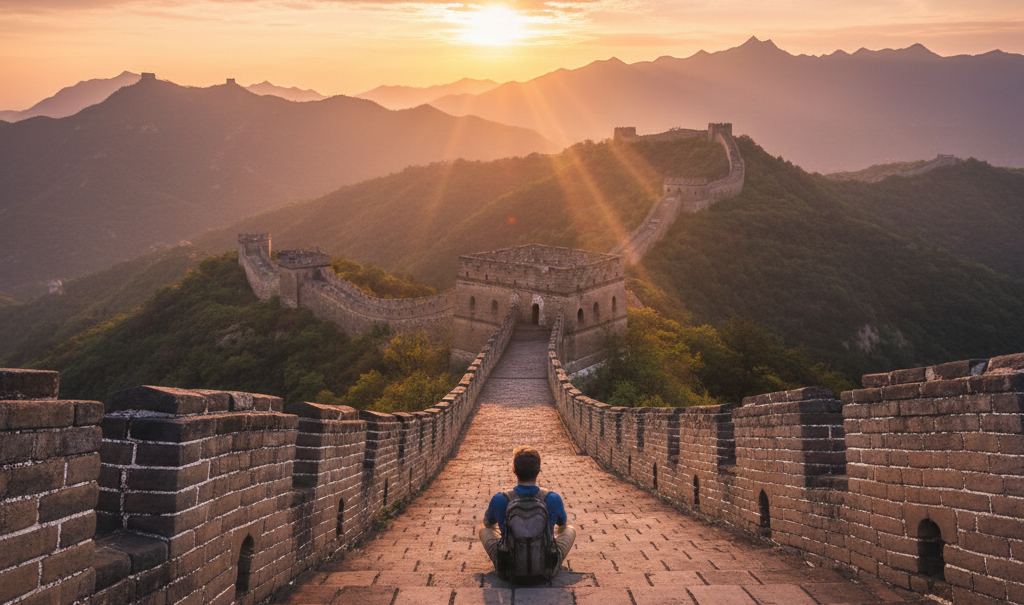
Don't rush. The wall has stood for millennia—it's not going anywhere. Take time to absorb the experience. Sit in a watchtower and imagine ancient soldiers scanning horizons. Feel the worn stones beneath your feet, shaped by countless travelers before you. Watch the wall snake across mountain ridges toward the horizon.
This isn't just about taking photos (though you'll take hundreds). It's about connecting with something timeless and profound. It's about challenging yourself physically while rewarding yourself with spectacular views. It's about experiencing one of humanity's most ambitious creations firsthand.
The Great Wall will exceed your expectations if you let it. Approach with respect, prepare intelligently, and remain open to whatever experience unfolds. Some of my most cherished travel memories come from quiet moments on the wall—watching sunrise paint the mountains gold, feeling the wind sweep across ancient battlements, sharing silent understanding with fellow travelers equally awed by the magnitude of what we're witnessing.
Your Great Wall journey begins the moment you start planning. Use this guide to make informed decisions. Then, when you finally stand on that wall, take a deep breath, look around, and fully absorb the incredible fact that you're here, experiencing one of the world's most extraordinary places.
Additional Resources And References
For the most current and accurate information, consult these authoritative sources:
Official Tourism Sites:
China Highlights Great Wall Guide: https://www.chinahighlights.com/greatwall/
Trip.com (Ticket booking and reviews): https://www.trip.com
The Great Wall of China Official Website: http://www.greatwall.cn
Cultural & Historical Information:
UNESCO World Heritage Site Listing: https://whc.unesco.org/en/list/438/
National Geographic Great Wall Coverage: https://www.nationalgeographic.com/travel/article/great-wall-of-china
Booking Platforms:
GetYourGuide: https://www.getyourguide.com
Viator: https://www.viator.com
Klook: https://www.klook.com
Travel Insurance: Highly recommended for adventure activities including Great Wall hiking:
World Nomads: https://www.worldnomads.com
SafetyWing: https://www.safetywing.com
Important: Always verify current regulations, opening hours, and ticket prices before traveling, as these can change. Check your country's travel advisories for China and ensure all documentation (visas, permits) is in order.
Image Gallery