Sensoji Temple Tokyo: Best Time, Food & Photo Tips
Top Questions
Table of Contents
- Introduction: Discovering Tokyo's Hidden Gem
- What Makes Sensoji Temple Special?
- Essential Information: Plan Your Perfect Visit
- How to Reach Sensoji Temple Easily
- Complete Walking Tour: What to See at Sensoji Temple
- Hidden Spots in Asakusa Tokyo: Beyond the Tourist Trail
- What to Eat Near Sensoji Temple: A Food Lover's Paradise
- Sensoji Temple Photography Spots: Capture Instagram-Worthy Moments
- Seasonal Events at Sensoji Temple
- First-Time Visitor Guide Asakusa Tokyo: Essential Tips
- Things to Do Near Sensoji Temple: Extend Your Asakusa Adventure
- Quiet Places in Asakusa for Tourists: Escape the Crowds
- Practical Travel Tips for Sensoji Temple
- Sensoji Temple Travel Tips for Tourists: Insider Secrets
- Conclusion: Why Sensoji Temple Should Top Your Tokyo Itinerary
- Useful Resources And References
Introduction: Discovering Tokyo's Hidden Gem
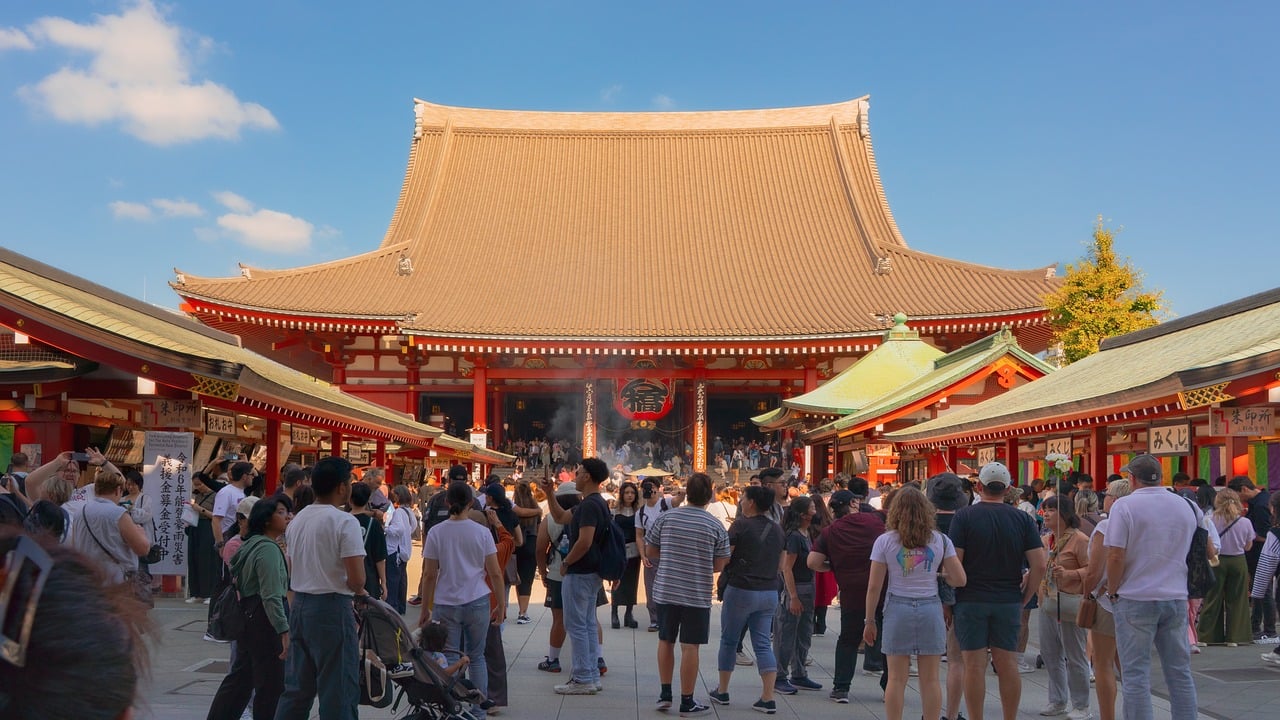
When I first stepped through the massive red gates of Sensoji Temple in Asakusa, I was immediately transported back in time. Despite being in the heart of modern Tokyo, this ancient Buddhist temple made me feel like I'd walked into old Japan. The scent of incense filled the air, traditional street vendors called out their wares, and the magnificent architecture stood proudly against the city skyline.
If you're planning a trip to Tokyo, Sensoji Temple should be at the top of your list. This isn't just another tourist attraction—it's the oldest temple in Tokyo, with a history spanning nearly 1,400 years. In this comprehensive guide, I'll share everything you need to know about visiting Sensoji Temple, from the best times to go to hidden spots that most tourists miss.
What Makes Sensoji Temple Special?
A Sacred History Dating Back to 628 AD
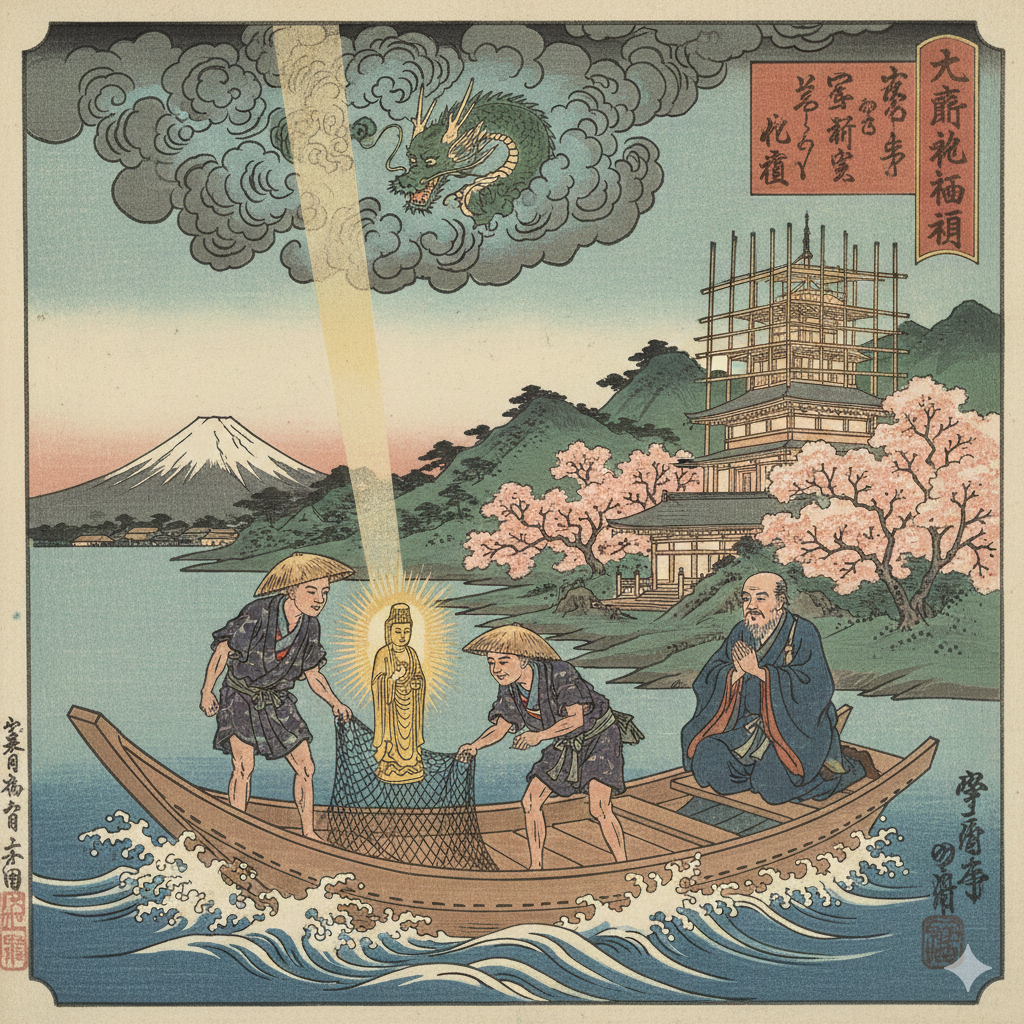
The story of Sensoji Temple begins with a remarkable legend. In the year 628 AD, two fishermen brothers, Hinokuma Hamanari and Hinokuma Takenari, were fishing in the Sumida River when they pulled up something extraordinary in their nets—a small golden statue of Kannon, the Buddhist goddess of mercy and compassion.
No matter how many times they tried to return the statue to the river, it kept coming back to them. Recognizing this as a divine sign, the village chief Haji no Nakatomo enshrined the statue and established Sensoji Temple in 645 AD, making it Tokyo's oldest temple.
Throughout its long history, Sensoji Temple has been:
Designated as the family temple of the Tokugawa Shogunate during the Edo period
Destroyed and rebuilt multiple times, including after World War II bombings
A symbol of resilience and cultural preservation for the Japanese people
Home to over 30 million visitors annually, making it Japan's most visited religious site
Essential Information: Plan Your Perfect Visit
Opening Hours & Best Time to Visit Sensoji Temple
Facility | Opening Hours | Notes |
|---|---|---|
Temple Grounds | 24 hours daily | Always accessible |
Main Hall | 6:00 AM - 5:00 PM (April-September) | Summer hours |
Main Hall | 6:30 AM - 5:00 PM (October-March) | Winter hours |
Nakamise Shopping Street | 9:00 AM - 7:00 PM | Individual shops vary |
Evening Illumination | Sunset - 11:00 PM | Spectacular photo opportunity |
When Is The Best Time to Visit Sensoji Temple?
After visiting Sensoji multiple times across different seasons and times of day, here's my honest recommendation:
For Peaceful Experience & Photography:
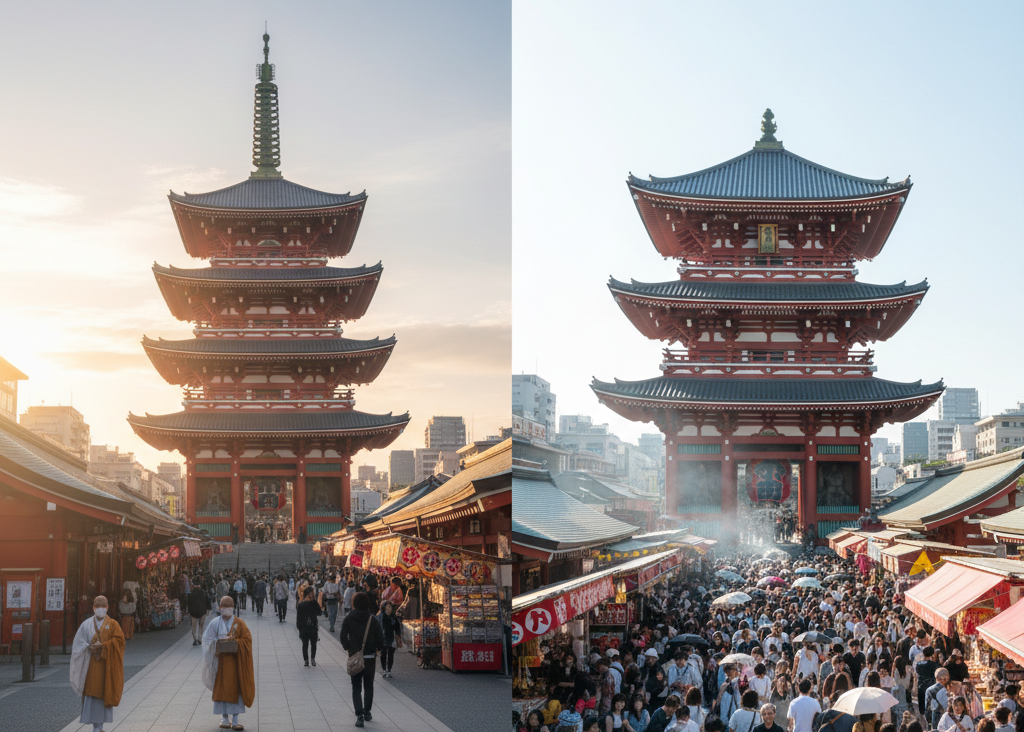
Early Morning (6:00-8:00 AM): This is hands down the best time to visit. The temple grounds are nearly empty, you can hear the monks' morning prayers, and the soft morning light creates magical photographs. I've watched locals perform their daily rituals in complete tranquility during these hours.
Evening After 6:00 PM: Once Nakamise Street shops close, crowds thin dramatically. The evening illumination transforms the temple into an ethereal wonderland.
For Cultural Experience:
Weekday Mornings: If you can't make sunrise, weekday mornings between 9-11 AM offer manageable crowds.
During Festivals: Experience authentic Japanese traditions during Sanja Matsuri (May) or the Hozuki Market (July), though expect massive crowds.
Times to Avoid:
Weekends (crowds double)
Midday (11 AM - 3 PM on any day)
New Year's period (December 31 - January 3)
Golden Week (late April - early May)
How to Reach Sensoji Temple Easily
Transportation Guide from Major Tokyo Stations
Starting Point | Best Route | Time | Cost |
|---|---|---|---|
Tokyo Station | JR Yamanote Line to Kanda → Ginza Line to Asakusa | 20 mins | ¥330 |
Shinjuku Station | JR Chuo Line to Kanda → Ginza Line to Asakusa | 35 mins | ¥360 |
Shibuya Station | Ginza Line direct to Asakusa | 35 mins | ¥252 |
Ueno Station | Ginza Line direct to Asakusa | 5 mins | ¥178 |
Haneda Airport | Keikyu Line to Asakusa | 50 mins | ¥620 |
Narita Airport | Keisei Skyline to Asakusa | 85 mins | ¥1,290 |
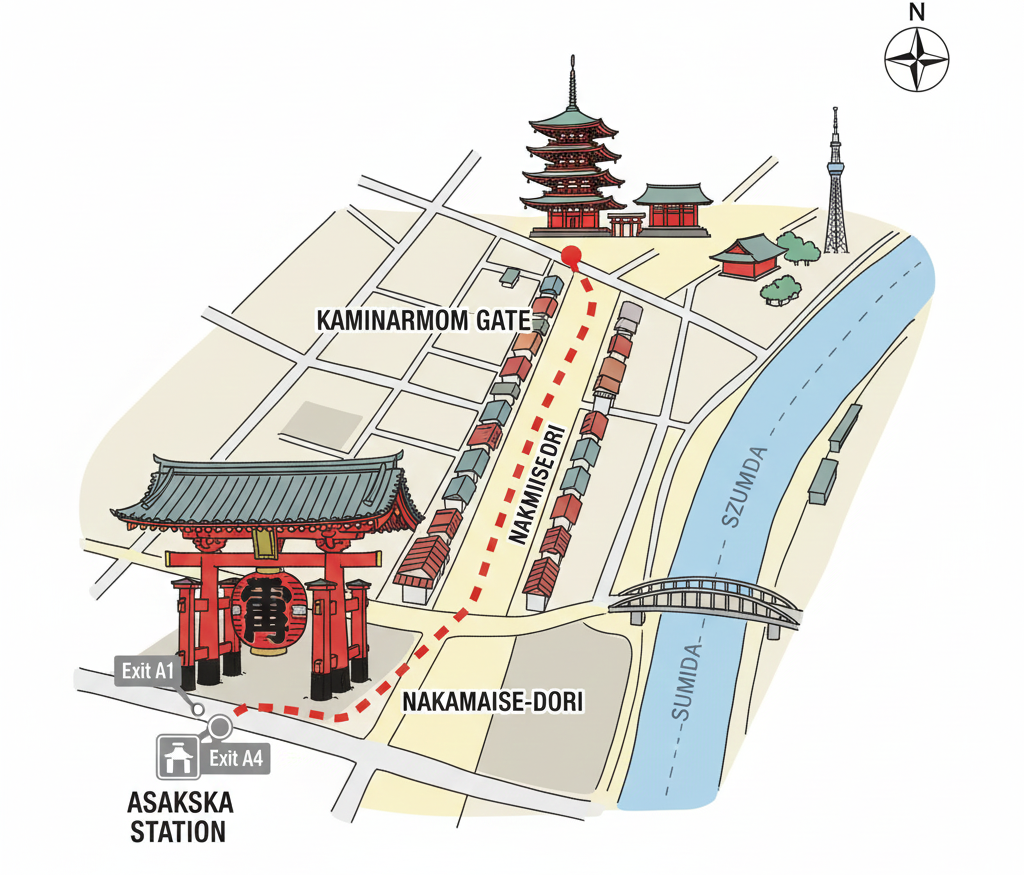
Which Exit to Use at Asakusa Station?
Tokyo Metro Ginza Line: Exit 1 (closest to Kaminarimon)
Toei Asakusa Line: Exit A5
Tobu Skytree Line: Main Exit
Pro Tip: Download the Google Maps app before your trip. It works excellently for Tokyo's complex train system and will guide you to the exact exit.
Complete Walking Tour: What to See at Sensoji Temple
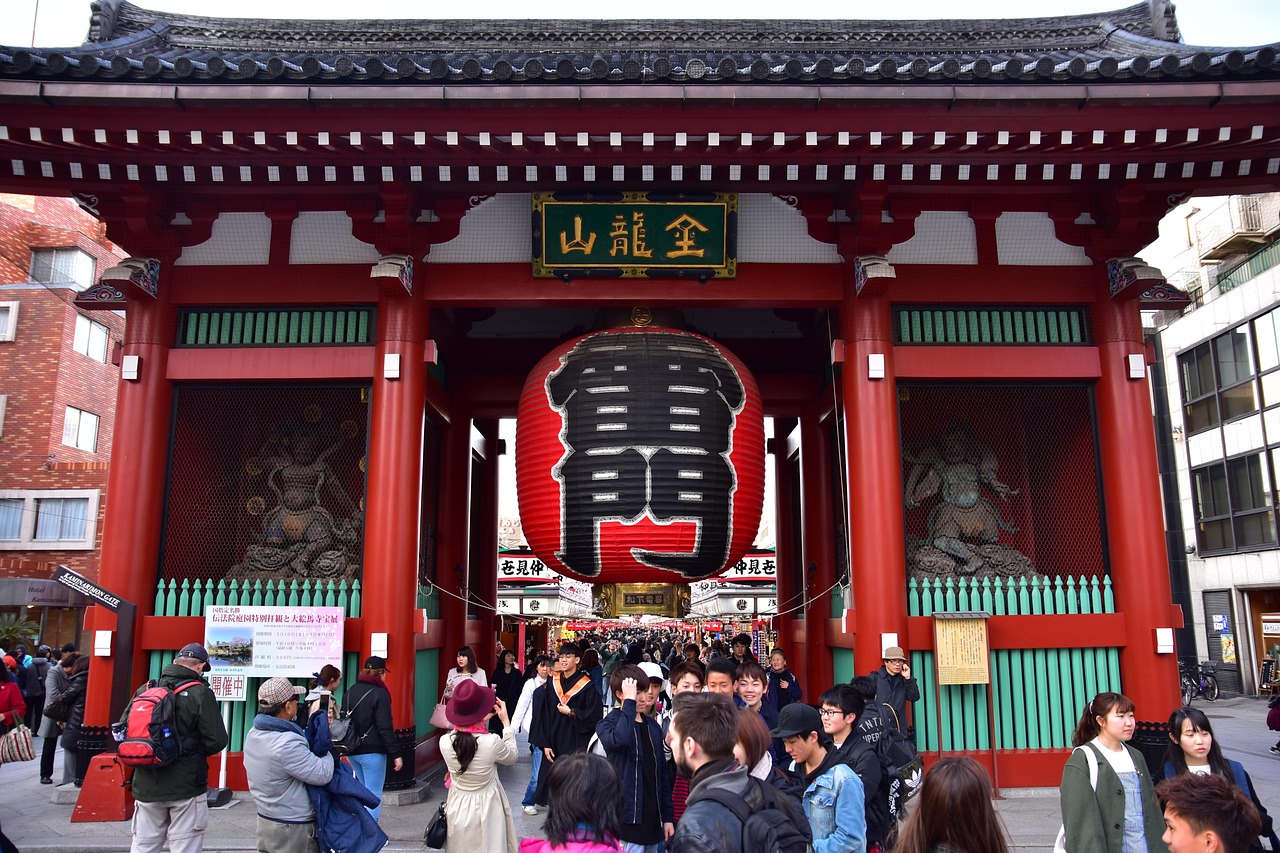
1. Kaminarimon (Thunder Gate): Asakusa's Iconic Symbol
Your journey begins at the magnificent Kaminarimon Gate, officially known as Furaijinmon (Wind and Thunder Gate). This massive structure features:
Giant Red Lantern: Standing 3.9 meters tall and weighing 700 kilograms, this lantern is one of Tokyo's most photographed landmarks
Guardian Deities: Fujin (god of wind) on the right and Raijin (god of thunder) on the left protect the temple from evil
Hidden Dragon: Look up under the lantern to find a beautifully carved wooden dragon—it's said to bring good luck!
Photography Tip: The best shots are taken from slightly to the side, capturing both the lantern and the gate structure. Early morning or just after sunset provides the best lighting without harsh shadows.
[Image Suggestion: Close-up of Kaminarimon Gate's underside showing the carved dragon detail]
2. Nakamise Shopping Street: A 250-Meter Journey Through Japanese Culture
Walking through Nakamise feels like stepping into a time machine. This 250-meter shopping street has served temple visitors since the 17th century, making it one of Japan's oldest shopping districts.
What Makes Nakamise Special:
Over 90 traditional shops selling authentic Japanese crafts
Historic architecture with beautiful signage
Shutter art visible when shops are closed (evening/morning)
Perfect place for traditional souvenirs and snacks
Must-Buy Souvenirs:
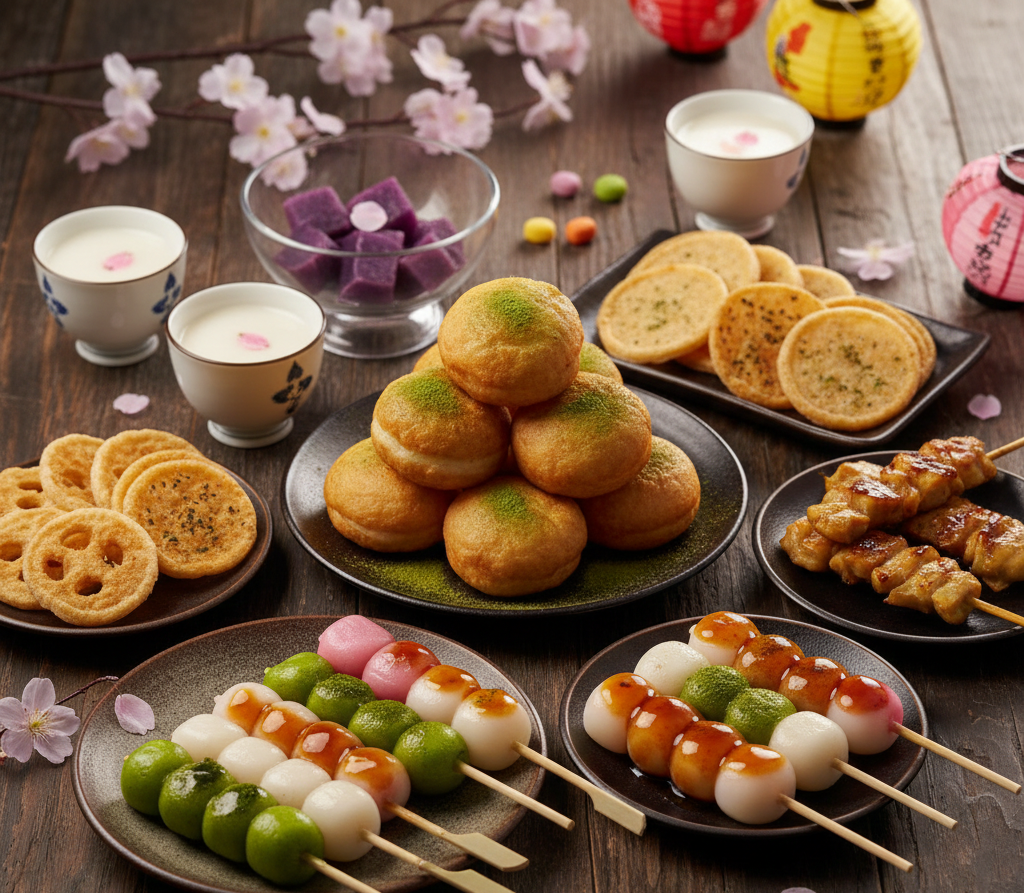
Ningyo-yaki (人形焼): Cute doll-shaped cakes filled with sweet red bean paste
Kaminari-okoshi (雷おこし): Traditional crispy rice candy
Folding fans and yukata for authentic Japanese style
Maneki-neko (lucky cat figurines) in various sizes
Traditional wooden toys and crafts
[Image Suggestion: Vibrant shot of Nakamise Street with colorful shop fronts and visitors browsing]
3. Hozomon Gate: The Treasure House Entrance
Beyond Nakamise Street stands the impressive Hozomon Gate, which serves as the inner entrance to the temple complex.
Key Features:
Two-story gate housing sacred Buddhist scriptures
Giant protective waraji (straw sandals) hanging on the back
Statues of guardian kings Nio on either side
Serves as the symbolic boundary between secular and sacred space
4. The Five-Story Pagoda: Tokyo's Tallest
Standing at 53.32 meters, this stunning pagoda is the tallest in Tokyo. Originally built in 942 AD, the current structure was reconstructed in 1973 after World War II destruction.
Architectural Significance:
Traditional Buddhist architecture following ancient designs
Each story represents elements: earth, water, fire, wind, and sky
Contains sacred relics inside (not open to public)
Beautifully illuminated at night until 11 PM
Best Photo Spot: Capture the pagoda from the temple gardens on the right side for a peaceful composition with traditional landscaping.
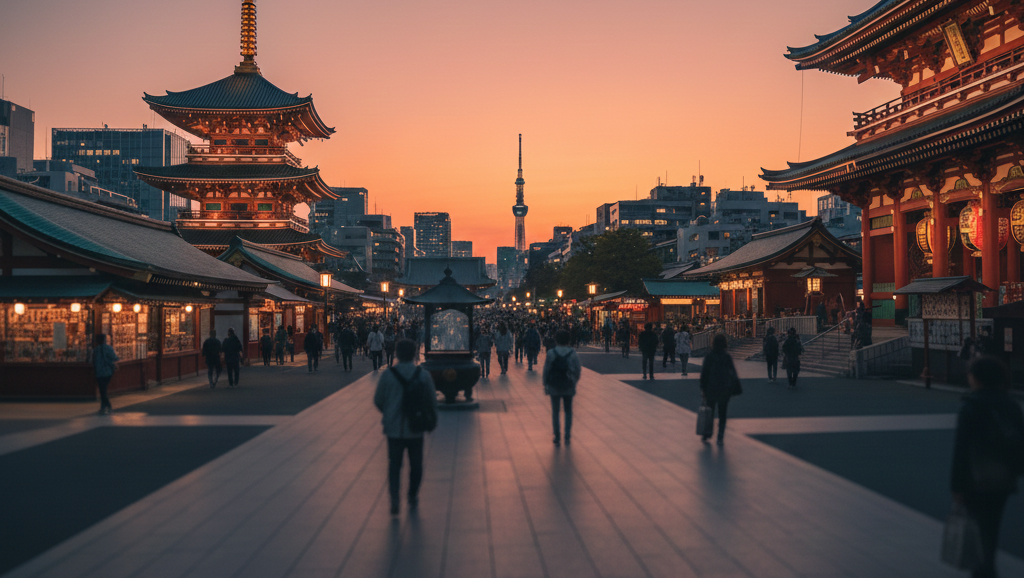
[Image Suggestion: Five-story pagoda photographed during twilight with illumination beginning]
5. Main Hall (Hondo): The Heart of Sensoji
The main hall is where the sacred Kannon statue is enshrined—though the original statue has remained hidden since 645 AD and is never shown publicly.
What to Do at the Main Hall:
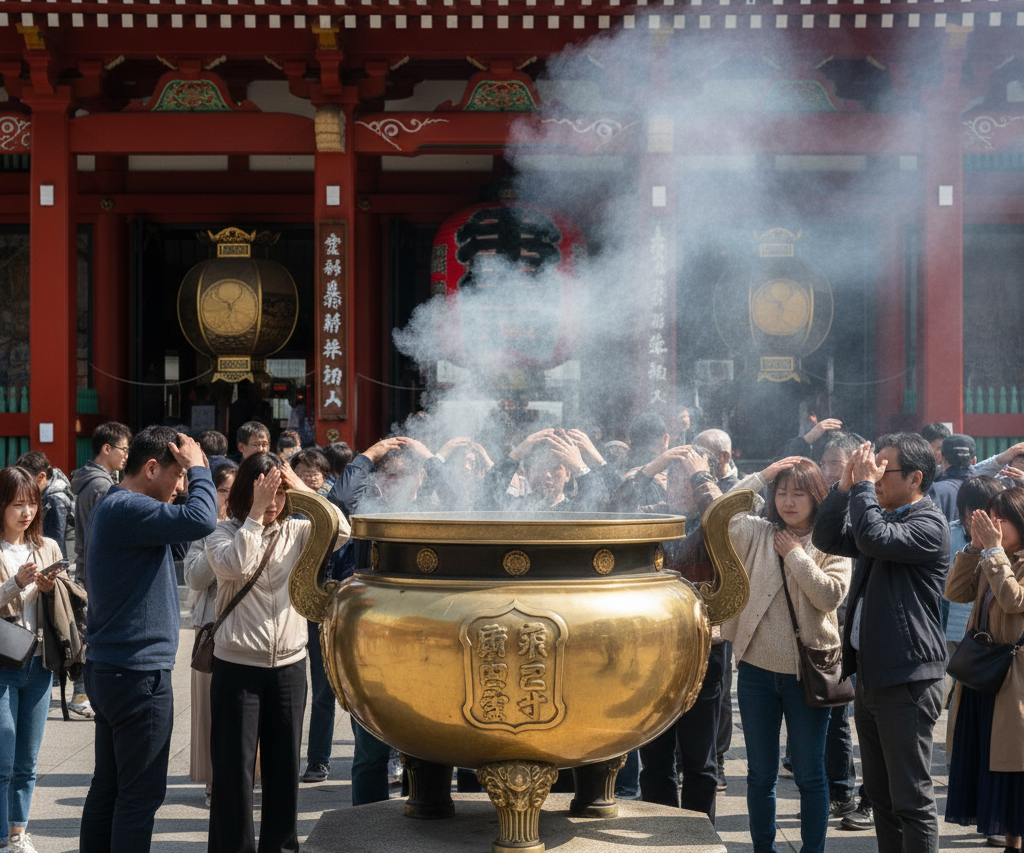
Purify Yourself with Incense: At the large incense burner (Jokoro) in front of the hall, waft smoke over yourself. It's believed to heal ailments and bring good health.
Make a Prayer: Approach the altar, toss a coin (usually ¥5 or ¥100), bow twice, clap twice, make your wish, then bow once more.
Admire the Ceiling Art: Look up inside the hall to see magnificent paintings depicting Buddhist scenes—these are often overlooked by rushing tourists.
Try Your Fortune (Omikuji): For ¥100, shake the metal container, draw a numbered stick, and retrieve your fortune. If it's bad luck, tie it to the designated wires to leave the misfortune behind.
Interesting Fact: Sensoji is famous for having a high percentage of bad fortune slips—around 30%, compared to the usual 10-15% at other temples!
Hidden Spots in Asakusa Tokyo: Beyond the Tourist Trail
1. Asakusa Shrine (Sanja-sama)
Located right next to Sensoji's main hall, this Shinto shrine is dedicated to the three men who founded the temple—the two fishermen brothers and the village chief.
Why Visit:
Host of the famous Sanja Matsuri festival every May
Survived World War II bombings (original 17th-century structure)
Peaceful atmosphere despite being steps from the crowded temple
Unique example of Buddhism and Shintoism coexisting harmoniously
2. Bentendo Hall and the Temple Gardens
Tucked away on the west side of the temple grounds, Bentendo Hall houses a statue of Benzaiten (Sarasvati), the goddess of knowledge, music, and wealth.
Features a serene pond with koi fish
Traditional Japanese garden perfect for quiet contemplation
Historic bell tower (Toki-no-kane) that announces the hours
Mentioned in famous haiku by Matsuo Basho
3. Asakusa Culture Tourist Information Center
Directly across from Kaminarimon Gate, this architectural marvel designed by Kengo Kuma offers:
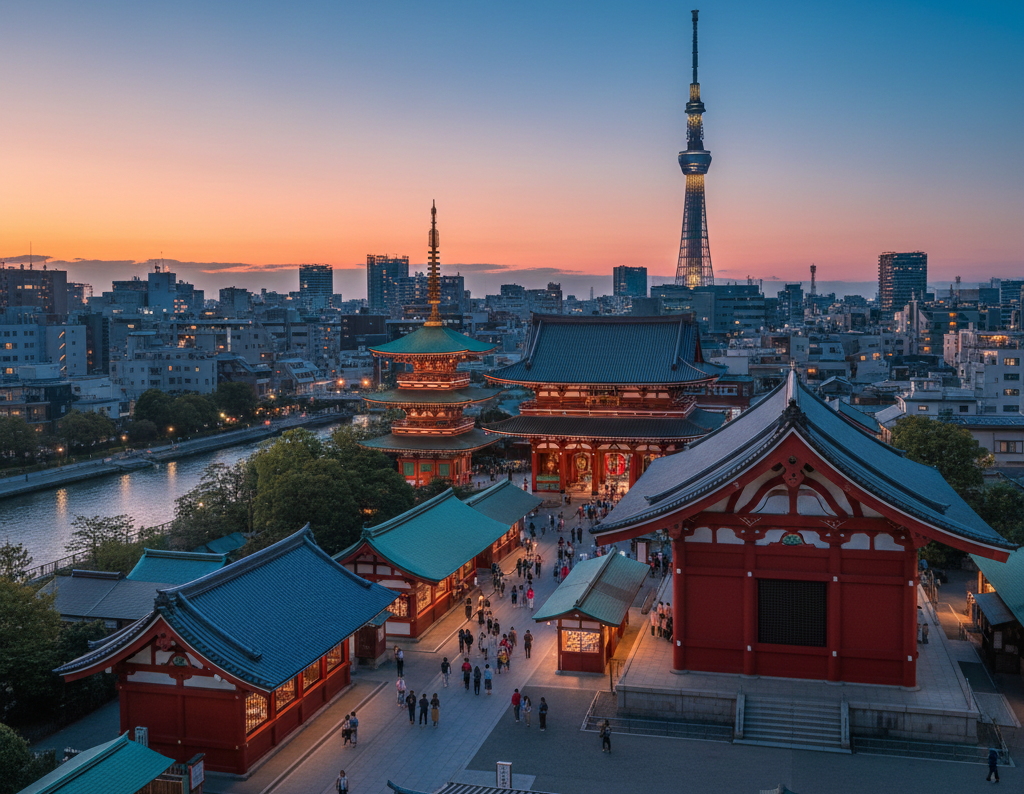
FREE 8th-floor observation deck with stunning views
Perfect vantage point for photographing Sensoji and Tokyo Skytree
Tourist information in multiple languages
Much less crowded than Tokyo Skytree observation decks
Café and rest area
[Image Suggestion: View from the observation deck showing Sensoji Temple and surrounding Asakusa neighborhood]
4. Denbouin Street: Traditional Back Alley
This charming side street intersects Nakamise and offers:
Beautiful Edo-period architecture and lantern lighting
Traditional crafts shops and small eateries
Shutter art featuring ukiyo-e paintings after hours
Life-sized Kabuki character statues for fun photos
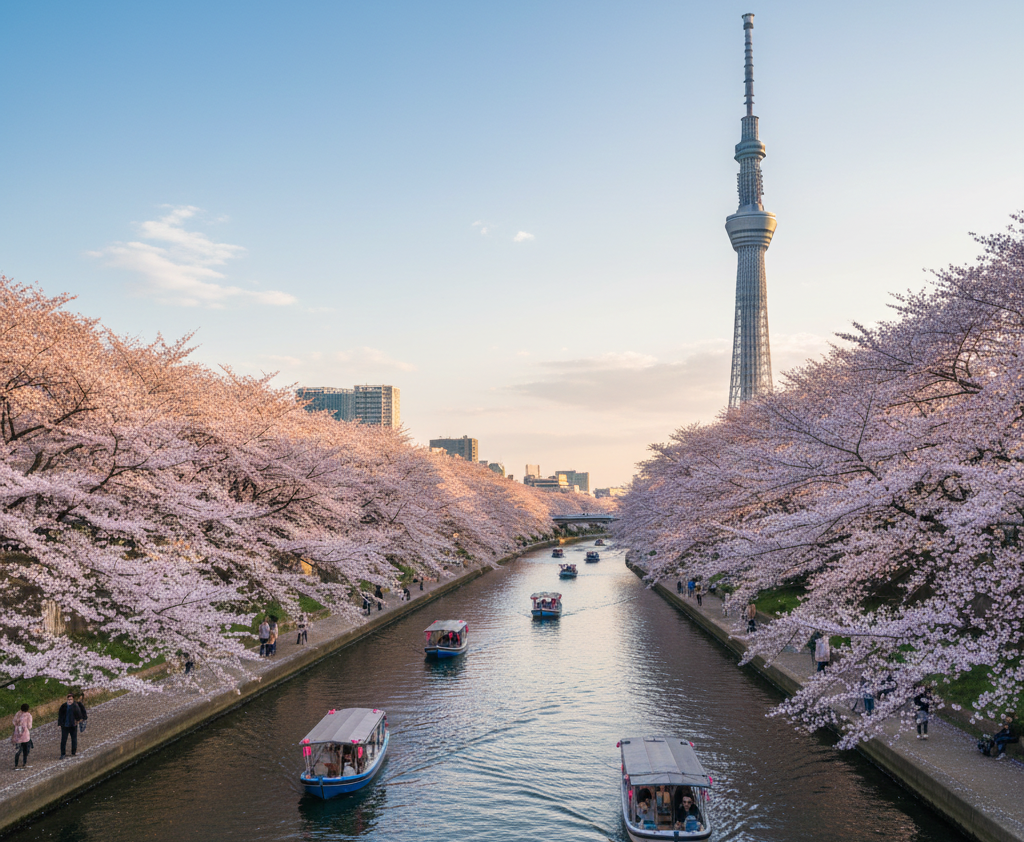
5. Sumida Park: Peaceful Places Near Asakusa Tokyo
A short 5-minute walk from Sensoji Temple, this riverside park provides:
Stunning cherry blossom viewing in spring (late March-early April)
Walking paths along the Sumida River
Views of Tokyo Skytree and Azuma Bridge
Popular spot for the Sumida River Fireworks Festival (July)
What to Eat Near Sensoji Temple: A Food Lover's Paradise
Traditional Street Food on Nakamise
1. Ningyo-yaki (人形焼)
These adorable doll-shaped cakes are Asakusa's signature snack. Filled with sweet red bean paste and baked fresh throughout the day.
Where: Kibundou Souhonten (open since 1868) Price: ¥620 for 5 pieces
2. Melon Pan with Ice Cream
Location: Kagetsudo (A must-visit!) The jumbo melon pan here is legendary—crispy cookie crust on the outside, fluffy bread inside, and the option to add soft-serve ice cream creates an unforgettable taste experience.
Price: ¥300 for plain, ¥700 with ice cream
3. Kaminari-okoshi (雷おこし)
Crispy puffed rice candy that's been made the same way for over 200 years. Light, crunchy, and not too sweet.
4. Ningyoyaki Dango (串団子)
Location: Kikuya (over 100 years old!) Watch these rice dumplings being grilled over an open flame. The mitarashi sauce (sweet soy glaze) is absolutely divine.
Price: ¥350-400 per stick
Traditional Restaurants Near Sensoji Temple
Restaurant | Specialty | Average Price | Notes |
|---|---|---|---|
Asakusa Imahan | Sukiyaki (beef hotpot) | ¥8,000-12,000 | Premium quality, reservation recommended |
Otafuku | Oden (traditional winter dish) | ¥1,500-3,000 | Since Meiji era, beautiful garden setting |
Yadoroku | Onigiri (rice balls) | ¥280-330 | Tokyo's oldest onigiri shop |
Sometaro | Okonomiyaki | ¥1,200-2,000 | Cook your own at your table |
Daikokuya Tempura | Tendon (tempura rice bowl) | ¥1,400-2,500 | Famous for crispy shrimp tempura |
Budget-Friendly Tip: Many restaurants offer affordable lunch sets (¥1,000-1,500) between 11 AM - 2 PM.
Sensoji Temple Photography Spots: Capture Instagram-Worthy Moments
Top 5 Photography Locations
1. Kaminarimon Gate (Best: Early Morning or Sunset)
Classic straight-on shot with the red lantern
Side angle capturing the entire gate structure
Look up shot showing the carved dragon underneath
2. Nakamise Shopping Street
Elevated shot down the entire 250-meter length
Close-ups of colorful shop displays and food
Evening shutter art after shops close
3. Five-Story Pagoda with Garden
From the small Japanese garden on the right side
Twilight shots when illumination begins
Frame with traditional stone lanterns in foreground
4. Main Hall Incense Burner
Capture smoke patterns in morning sunlight
Visitors performing purification rituals
Architectural details of the main hall roof
5. Observation Deck at Tourist Information Center
Aerial views of Sensoji complex
Sunset over Nakamise Street
Tokyo Skytree in the background
Photography Tips for Sensoji Temple
Equipment Recommendations:
Wide-angle lens (16-35mm) for architecture and crowds
50mm prime lens for portraits and detail shots
Telephoto lens (70-200mm) for pagoda and distant subjects
Tripod allowed outside main hall only
Best Settings:
Early morning: ISO 400-800, wider aperture for soft light
Midday: ISO 100-200, smaller aperture for sharp details
Night illumination: ISO 1600-3200, tripod recommended
Use spot metering for lanterns and bright subjects
Respect and Etiquette:
No photography inside the main hall
Be mindful of worshippers and ceremonies
Don't block pathways for photos
Ask permission before photographing individuals
Seasonal Events at Sensoji Temple
Spring (March-May)
Cherry Blossom Season (Late March-Early April)
Beautiful sakura blooms around the temple grounds
Sumida Park becomes a cherry blossom viewing hotspot
Traditional hanami (flower viewing) parties
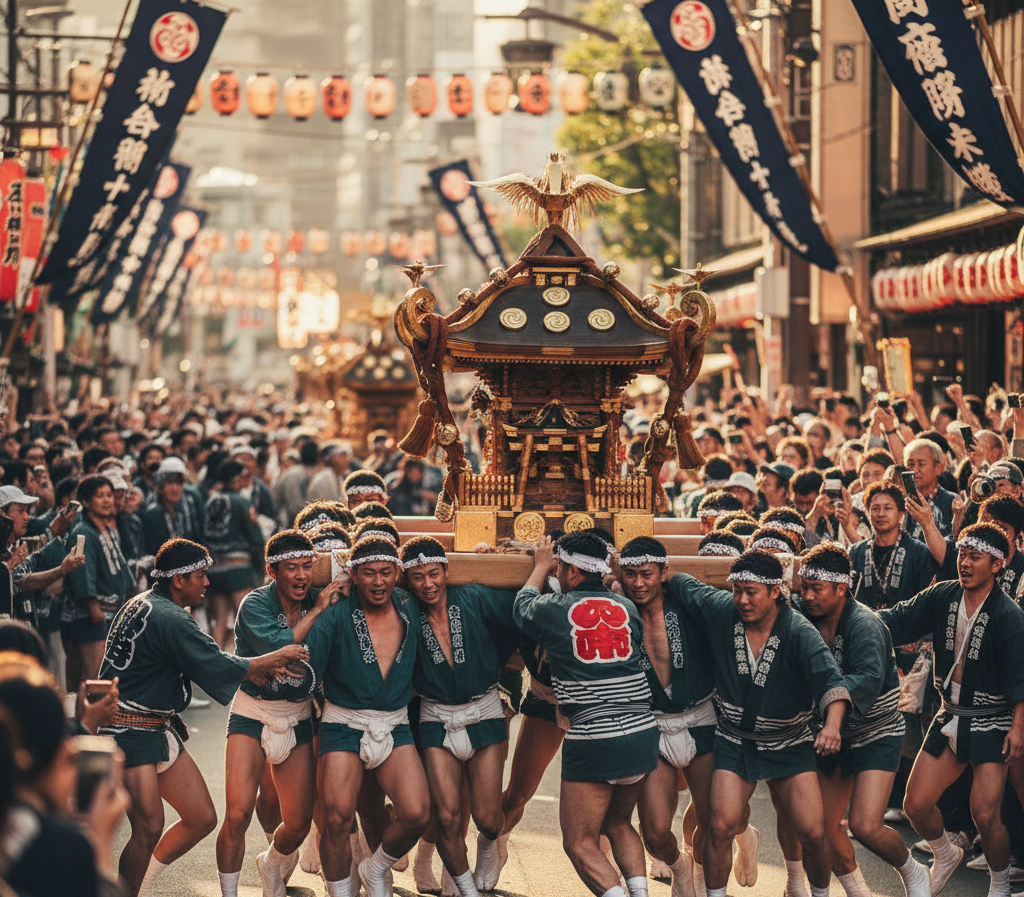
Sanja Matsuri Festival (Third Weekend of May)
Tokyo's largest festival with 2 million visitors
Portable shrines (mikoshi) paraded through streets
Traditional dances, music, and performances
Incredible cultural experience (arrive very early!)
Summer (June-August)
Hozuki Market (July 9-10)
Chinese lantern plant market with 200+ stalls
Summer tradition dating back centuries
Considered an auspicious time to visit
Sumida River Fireworks Festival (Last Saturday of July)
Japan's oldest fireworks festival (since 1733)
Best viewing: Sumida Park or riverside areas
Over 20,000 fireworks launched
Autumn (September-November)
Golden Dragon Dance (March 18 & October 18)
Spectacular 18-meter golden dragon puppet performance
Commemorates the temple's founding
Parade through Nakamise Street
Winter (December-February)
Hagoita-Ichi Market (December 17-19)
Traditional decorated paddle fair
Beautiful handcrafted paddles sold as New Year decorations
Great for unique souvenirs
New Year's Hatsumode (January 1-3)
First shrine visit of the new year
Extremely crowded but culturally significant
Traditional foods and ceremonies
First-Time Visitor Guide Asakusa Tokyo: Essential Tips
Cultural Etiquette at Sensoji Temple
Temple Manners:
At the Entrance: Bow slightly when passing through gates
Purification Ritual: Use the temizuya (water basin) properly:
Ladle water with right hand, rinse left hand
Switch hands, rinse right hand
Cup water in left hand, rinse mouth (don't drink directly from ladle)
Rinse left hand again
Hold ladle vertically to rinse handle
At the Main Hall:
Toss coin (¥5 coins are considered lucky)
Bow twice, clap twice, pray silently, bow once
Photography: Never photograph people praying without permission
Incense: Don't put out flames by blowing—fan them gently
Asakusa Budget-Friendly Itinerary
Half-Day Visit (4-5 hours): FREE
Temple grounds admission: FREE
Observation deck: FREE
Walking around Asakusa: FREE
Estimated spending: ¥1,500-3,000 for snacks and souvenirs
Full-Day Itinerary (8 hours): Budget-Conscious
Morning: Sensoji Temple visit (FREE)
Lunch: Affordable tempura bowl (¥1,500)
Afternoon: Tokyo Skytree visit (¥2,700 for observation deck)
Dinner: Conveyor belt sushi nearby (¥2,000)
Total: ¥6,200 ($42)
What to Wear When Visiting Sensoji Temple
General Guidelines:
Comfortable walking shoes (you'll walk 5,000+ steps)
Modest clothing (shoulders covered for main hall entry)
Layers (temple halls can be cooler)
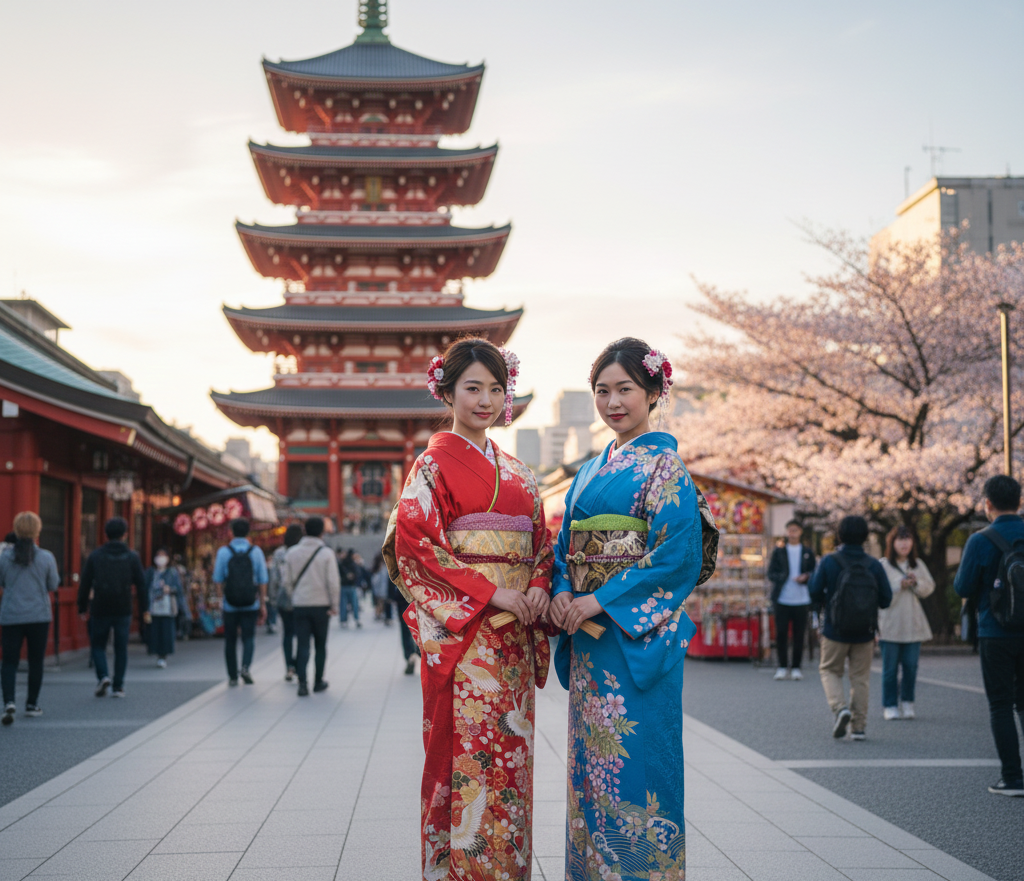
Consider renting a kimono for photos ($30-60 for 4-8 hours)
Seasonal Recommendations:
Spring/Autumn: Light jacket, comfortable clothes
Summer: Light, breathable fabrics (it gets humid!)
Winter: Warm coat, scarf, gloves (Tokyo can be cold)
Services & Facilities
Available at Sensoji:
Free WiFi at Tourist Information Center
Coin lockers at Asakusa Station (¥300-600)
Clean public restrooms (free)
Wheelchair accessibility (ramps available)
English signage at major points
ATMs at nearby convenience stores
Things to Do Near Sensoji Temple: Extend Your Asakusa Adventure
1. Tokyo Skytree (15-20 Minute Walk)
At 634 meters, Tokyo Skytree is the world's tallest tower.
Observation Decks: Two levels at 350m and 450m
Shopping Complex: Solamachi with 300+ shops
Aquarium: Sumida Aquarium at the base
Access: Walk via Sumida River or take Toei Line (1 stop)
Tickets: From ¥2,700
Pro Tip: Buy tickets online in advance to skip long lines!
2. Asakusa Hanayashiki Amusement Park
Japan's oldest amusement park (opened 1853) offers nostalgic charm.
Entrance: ¥1,200 (adult)
Perfect for families with young children
Retro atmosphere unlike modern theme parks
Just 3 minutes walk from Sensoji
3. Sumida River Cruise
Traditional yakatabune boats offer unique city views.
Routes: Asakusa to Odaiba, Hamarikyu Gardens
Price: ¥1,200-2,000 depending on route
Duration: 40-60 minutes
Booking: Available at Asakusa pier
4. Kappabashi Street (Kitchen Town)
A 10-minute walk west of Sensoji, this 800-meter street is a paradise for cooking enthusiasts.
Over 170 shops selling kitchenware
Famous plastic food samples
Japanese knives and ceramics
Unique souvenirs
5. Traditional Craft Experiences
Available Near Sensoji:
Kimono Wearing: Multiple rental shops (¥3,000-6,000 for full day)
Tea Ceremony: Authentic experiences (¥3,000-5,000)
Wagashi Making: Create traditional sweets (¥3,500)
Calligraphy Classes: Learn Japanese writing (¥4,000)
Quiet Places in Asakusa for Tourists: Escape the Crowds
1. Oku-Asakusa (North Asakusa)
Walk 15 minutes north from Sensoji to discover residential Asakusa where few tourists venture.
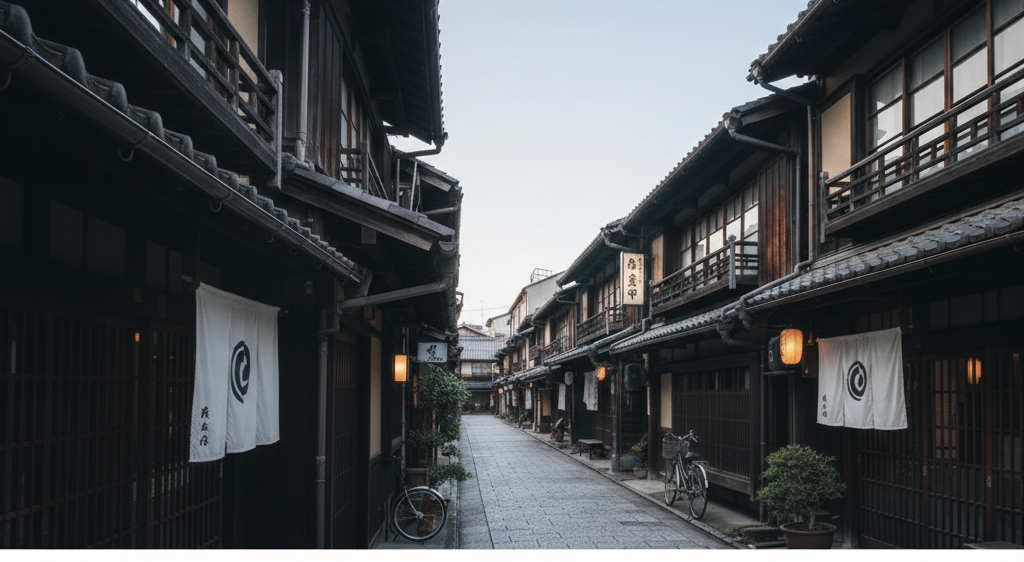
Quiet residential streets with traditional architecture
Small family-run cafés and restaurants
Authentic local atmosphere
Historic buildings and small temples
2. Imado Shrine
The birthplace of the maneki-neko (beckoning cat), this small shrine is remarkably peaceful.
Famous for matchmaking and relationships
Hundreds of cute cat figurines
Beautiful traditional architecture
10 minutes walk from Sensoji
3. Jokan-ji Temple (Kappa Temple)
This quirky temple dedicated to water spirits (kappa) offers tranquility.
Unique kappa statues and artwork
Small cucumber offerings (kappas' favorite food)
Almost never crowded
8 minutes walk from Sensoji
4. Asakusa Underground Shopping Street
One of Japan's oldest underground shopping arcades offers retro charm.
Time-capsule atmosphere from the 1950s-60s
Affordable shops and restaurants
Perfect for rainy days
Located beneath Asakusa Station
Practical Travel Tips for Sensoji Temple
Money & Payments
Most shops accept cash only
ATMs available at Family Mart and 7-Eleven nearby
Temple offerings typically ¥5, ¥10, or ¥100 coins
Budget ¥3,000-5,000 for full day including food and souvenirs
Language
English signage at major points
Tourist Information Center has English-speaking staff
Download Google Translate app for restaurants
Learning basic phrases helps:
"Sumimasen" (Excuse me)
"Arigato gozaimasu" (Thank you)
"Ikura desu ka?" (How much?)
Safety
Asakusa is extremely safe, even late at night
Keep belongings secure in crowded areas
Emergency number: 110 (police), 119 (ambulance)
First aid available at Tourist Information Center
WiFi & Connectivity
Free WiFi at Tourist Information Center
Most cafés and restaurants offer WiFi
Consider pocket WiFi rental (¥700-1,000/day)
SIM cards available at airports
Sensoji Temple Travel Tips for Tourists: Insider Secrets
1. The Best-Kept Secret: Early Morning Visits
I've visited Sensoji over a dozen times, and the 6:00 AM experience is magical. You'll witness:
Monks performing morning rituals and chanting
Locals making their daily prayers
Shopkeepers preparing for the day
Perfect golden hour photography
The temple bell ringing to mark the hour
2. Skip Tokyo Skytree Observation Deck
The view from Asakusa Culture Tourist Information Center is FREE and offers excellent perspectives of both Sensoji and Skytree. Save ¥2,700 and avoid crowds!
3. Best Day to Visit
Tuesday or Wednesday mornings have the smallest crowds while shops remain open.
4. Coin Locker Locations
Asakusa Station: Multiple sizes (¥300-600)
Tourist Information Center: Large bags accepted
Many hotels offer luggage storage even after checkout
5. Hidden Food Gems
Pelican (パン ペリカン): Legendary bread shop, opens 8 AM (sells out by 10 AM!)
Sometaro: DIY okonomiyaki in a traditional setting
Hoppy Street: Retro izakaya alley with local atmosphere
Naniwaya: The original taiyaki shop (since 1909)
6. Free Cultural Experiences
Watch craftspeople making traditional items in shop windows
Attend occasional free performances at Asakusa Public Hall
Join free English walking tours on weekends (check Tourist Center)
7. Photo Without Crowds
The secret spot? Behind the main hall near Bentendo Hall. Gorgeous views of the pagoda with almost no one around.
Conclusion: Why Sensoji Temple Should Top Your Tokyo Itinerary
After exploring countless temples throughout Japan, Sensoji Temple remains one of my absolute favorites. It perfectly embodies the fascinating contrast that makes Japan so captivating—ancient traditions thriving alongside modern city life.
Whether you're drawn by the spiritual atmosphere, the stunning architecture, the delicious street food, or simply the chance to experience authentic Japanese culture, Sensoji Temple delivers on every front.
Your Sensoji Temple Checklist:
✅ Visit early morning (6-8 AM) for the best experience ✅ Walk through Kaminarimon Gate and Nakamise Street ✅ Try omikuji fortune-telling ✅ Purify yourself with incense smoke ✅ Photograph the five-story pagoda ✅ Explore hidden side streets and gardens ✅ Try local street food (melon pan is a must!) ✅ Visit the free observation deck ✅ Respect temple etiquette and worshippers ✅ Stay for evening illumination if possible
Remember, Sensoji isn't just a tourist attraction—it's a living temple where people come daily to pray, find peace, and connect with centuries of tradition. Approach it with respect and an open heart, and you'll leave with unforgettable memories.
Useful Resources And References
Official Websites
Transportation & Planning
Cultural Information
Photography & Tours
Author Note: This guide is based on personal visits, extensive research, and consultation with local guides. Information is accurate as of December 2025. Temple hours, prices, and facilities may change. Always check official sources for the most current information before your visit.
Last Updated: December 2025
Image Gallery